Topic Hub: Video Surveillance in Schools
School video surveillance is evolving beyond traditional security cameras as districts consider AI, analytics, real-time monitoring, privacy, access to footage, and other emerging capabilities.

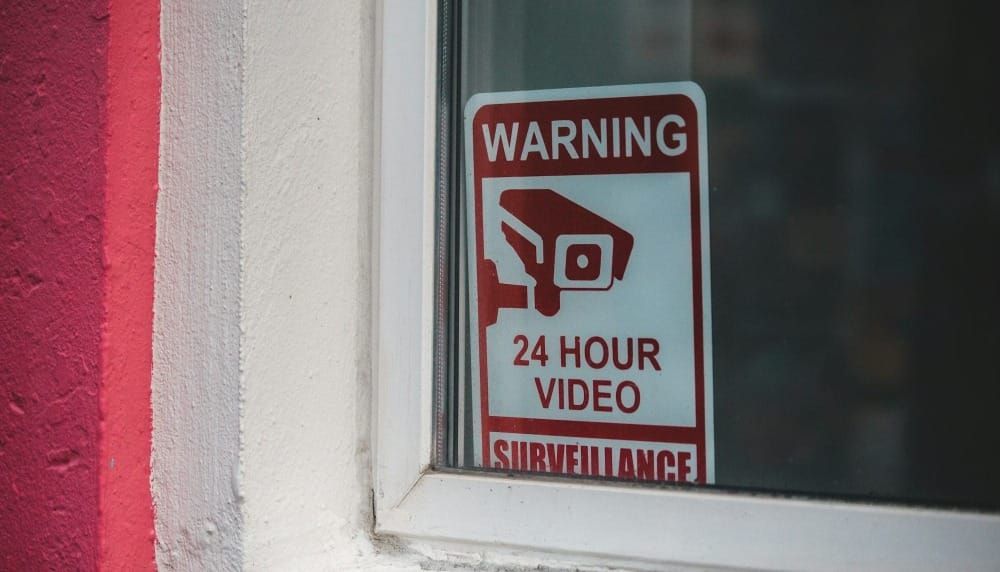
Video surveillance has long been a common component of K-12 school security. Federal data show security cameras were in use at 93% of public schools during the 2020-21 school year. But as camera technology evolves, the questions facing school leaders increasingly extend beyond where and whether cameras should be installed.
Today's systems can support uses ranging from incident investigation and situational awareness to real-time alerts and video analytics. Available capabilities can include object detection, license plate recognition, facial recognition, automated alerts, and searches of recorded footage.
Those capabilities are also raising questions about where cameras belong, who should have access to live and recorded footage, how long video should be retained, how artificial intelligence and analytics should be governed, and how schools balance security objectives with privacy.
This topic hub brings together School Security Leadership reporting, NCSSD member perspectives, research, and resources on the evolving use of video surveillance in K-12 schools.
Latest School Video Surveillance News
Stay up to date on school security cameras, AI-powered video analytics, license plate readers, privacy, policy, and other K-12 video surveillance developments.
- Conn. School Deploys AI Camera System for Weapons Detection, Facial Recognition
- Georgia High School Students Petition to Remove Flock Cameras From Campus
- New System Connects Mich. County Dispatchers to School Cameras
- Conn. Towns Install LPR Cameras on School Buses
View More SSL Video Surveillance Coverage →
Planning School Video Surveillance and Camera Placement
School safety leaders and experts interviewed by School Security Leadership have emphasized that adding more cameras does not necessarily create a more effective surveillance system. They recommend starting with the safety or operational problem a district is trying to address and using security and vulnerability assessments to identify gaps before selecting technology.
Camera placement may depend on the school environment, identified risks, and the specific purpose each camera is intended to serve. Considerations include entrances and exits, parking lots, large gathering areas, hallways, outdoor spaces, athletic facilities, and other locations where improved visibility or situational awareness may be needed.
School design also plays a role. Crime Prevention Through Environmental Design (CPTED) principles such as improving natural visibility and reducing hidden areas can complement camera coverage and, in some cases, reduce the number of cameras needed.
Related Coverage
- How Ohio Built a Mobile Surveillance Trailer Program for School Events: The Ohio School Safety Center shares how it developed a statewide mobile surveillance trailer lending program and lessons for schools and agencies considering similar technology.
- How Video Surveillance Is Evolving in K-12 Schools: School safety and security experts discuss camera placement, AI and analytics, privacy, school buses, policies, training, and the changing role of video surveillance.
Privacy, Access, and Video Surveillance Policies
As camera systems become more capable, districts are also examining the policies governing how those systems are used.
Recent NCSSD discussions have focused on who should be permitted to view live cameras, access recorded footage, and download or export video. Members have raised considerations including privacy, chain of custody, public records and student privacy requirements, staff trust, cybersecurity, and the potential for misuse.
Modern camera policies may also need to address storage and retention, preservation following an incident, still-image extraction, law enforcement requests, external sharing, vendor access, auditing, transportation systems, and whether capabilities such as AI, biometrics, audio, facial recognition, or license plate recognition require additional approval before they are enabled.
The growing ability to manipulate ordinary images using generative AI also adds another consideration for schools determining who can extract, download, or share student images and video from surveillance systems.
Related Coverage
- School Security Cameras Raise New Questions About Privacy, Access, and Use: As camera capabilities expand, districts are weighing where cameras belong, what they should be able to do, and what policies should govern them.
- Georgia School Surveillance Footage Helps Confirm Staff-Student Incident: Surveillance footage at Richmond Hill Primary School helped administrators investigate an incident involving a staff member and a nonverbal student after the student's parent reported injuries.
Cameras in Classrooms
While security cameras have traditionally been concentrated in hallways, entrances, common areas, and school grounds, cameras inside classrooms are also being required, considered, or debated in some states and school districts.
Classroom surveillance raises additional questions about student and staff privacy, who can access recordings or live feeds, how footage may be used or shared, and whether different safeguards are needed when cameras capture students throughout the instructional day.
Some proposals have focused specifically on special education classrooms as a way to document or investigate allegations of abuse or neglect, while others have proposed classroom cameras for broader parent access or oversight.
Related Coverage
- Calif. Parents Demand Cameras Be Placed in Special Education Classrooms: Parents in one California district are pushing for cameras in special education classrooms, raising questions about student safety, privacy, and access to footage.
- La. Schools Will Add Cameras in Special Education Classrooms: Louisiana's camera requirements for certain special education classrooms illustrate how states are beginning to establish rules around classroom recording, access, and privacy.
AI and Video Analytics in School Surveillance
Artificial intelligence and video analytics are expanding what surveillance systems can potentially do beyond recording an incident for later review.
Analytics can be used to identify activity that may require attention and alert designated personnel rather than relying on someone to continuously monitor numerous camera feeds. Potential applications include object and weapons detection, crowd analytics, behavioral alerts, and searches of recorded video.
At the same time, school safety leaders have emphasized the importance of keeping people involved in response decisions. False alerts and a lack of context can create risks if an automated detection immediately triggers actions such as a lockdown without human review.
Recent EdWeek Research Center survey data also indicate that AI-enabled security camera monitoring is already being used in some schools, with 25% of respondents reporting systems designed to detect threats or fights.
Related Coverage
- Watch: Video Surveillance in School Security: This ZeroNow webinar, featuring NCSSD members, explores camera placement, real-time analytics, school buses, privacy, facial recognition, policies, training, and AI-based gun detection.
- How Video Surveillance Is Evolving in K-12 Schools: Read School Security Leadership's overview of key insights and takeaways from the webinar.
NCSSD members can also access the full edited webinar transcript, organized by topic and timestamp.
Automated License Plate Readers on School Grounds
Automated license plate recognition (ALPR) is another expanding area of school surveillance. Some districts use ALPR systems to monitor vehicles approaching or entering school property and receive alerts when specified vehicles are detected.
Their use also raises questions about who can access license plate data, how long it is retained, whether it is shared with law enforcement or other agencies, and what policies and oversight govern searches and data sharing.
Related Coverage
- ALPRs in Schools: What K-12 Leaders Should Consider Before Adoption: A look at how schools are using automated license plate readers and the privacy, data-sharing, access, and oversight questions surrounding the technology.
Video Surveillance on School Buses and at School Events
Video surveillance also extends beyond cameras installed in and around school buildings. School buses have used cameras for years, traditionally allowing administrators to retrieve and review footage after an incident. Newer capabilities can potentially provide real-time video during emergencies, integrate video with GPS information, or use onboard analytics to identify specified activity and send an alert.
Mobile camera systems can also provide temporary coverage during athletic events, graduations, concerts, and other large gatherings where permanent school camera systems may leave gaps.
Related Coverage
- How Ohio Built a Mobile Surveillance Trailer Program for School Events: How one statewide program uses temporary camera coverage for athletic events, graduations, concerts, and other school activities.
- How Video Surveillance Is Evolving in K-12 Schools: Experts discuss evolving school bus camera capabilities, including real-time video, analytics, GPS integration, and emergency alerts.
Video Surveillance Questions School Leaders Should Consider
Before installing, expanding, or upgrading a video surveillance system, school leaders may want to consider:
- What specific safety or operational problem is each camera intended to address?
- Where are the highest-priority coverage gaps?
- Who can view live or recorded footage, and who can extract still images, download, export, or share it?
- Who is responsible for monitoring cameras and responding to alerts?
- How long is video retained, and when must original footage be preserved?
- How are law enforcement and other third-party requests handled?
- What happens when a camera or other component goes offline?
- Which AI, analytics, biometric, audio, facial recognition, or license plate recognition capabilities are permitted?
- Does enabling a new capability require additional district or board approval?
- How will students, staff, and families be informed about camera use?
- Are cameras permitted inside classrooms or other instructional spaces, and if so, under what circumstances?
- How will access to the system be logged or audited?
- How are camera systems, accounts, credentials, and remote access protected from unauthorized access?
- How does the system integrate with access control, emergency communications, and other existing technology?
- What training, testing, maintenance, and ongoing support will be required?