How Orange County Public Schools Turned an Old School Bus Into a Reunification Resource
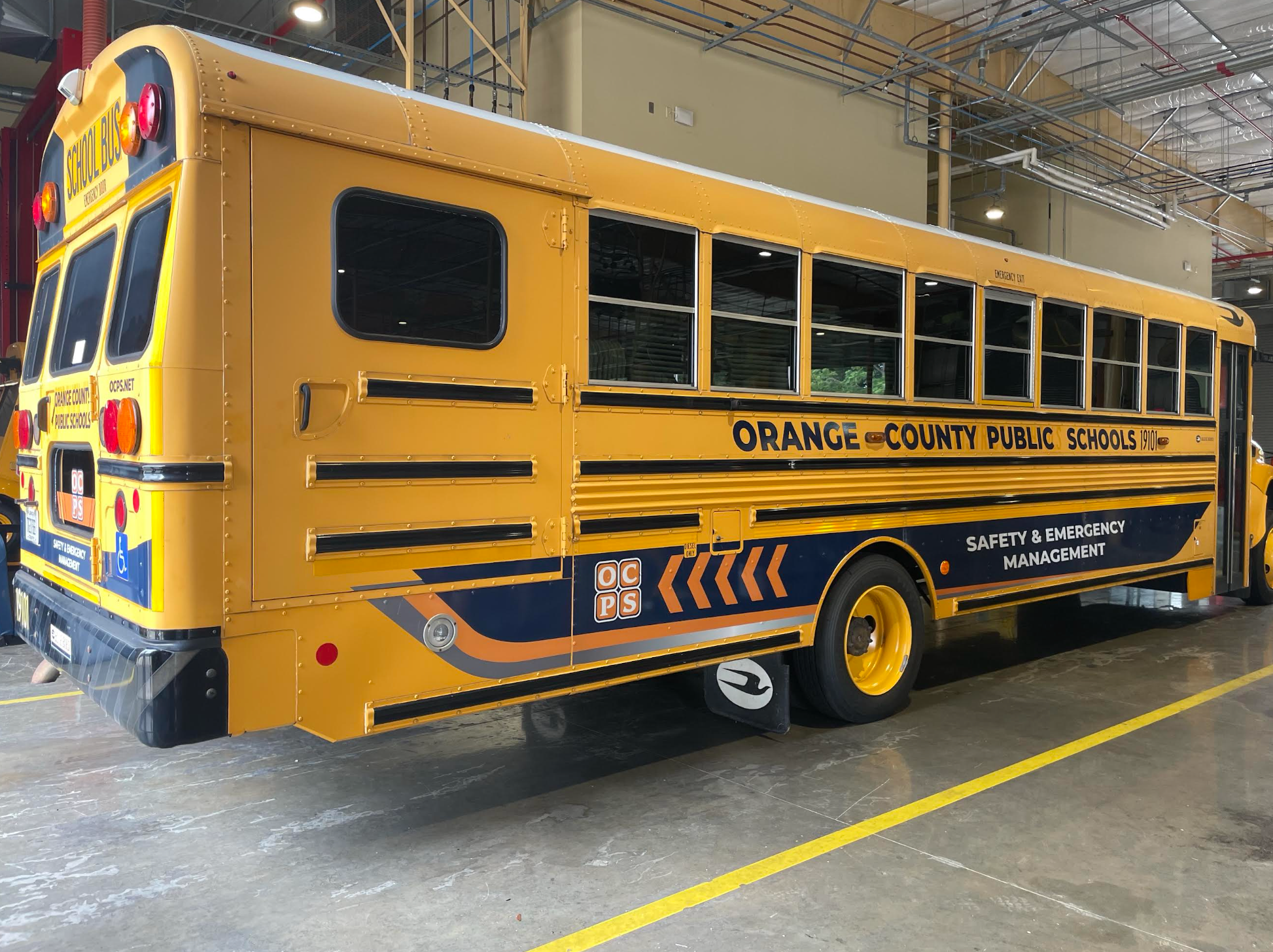
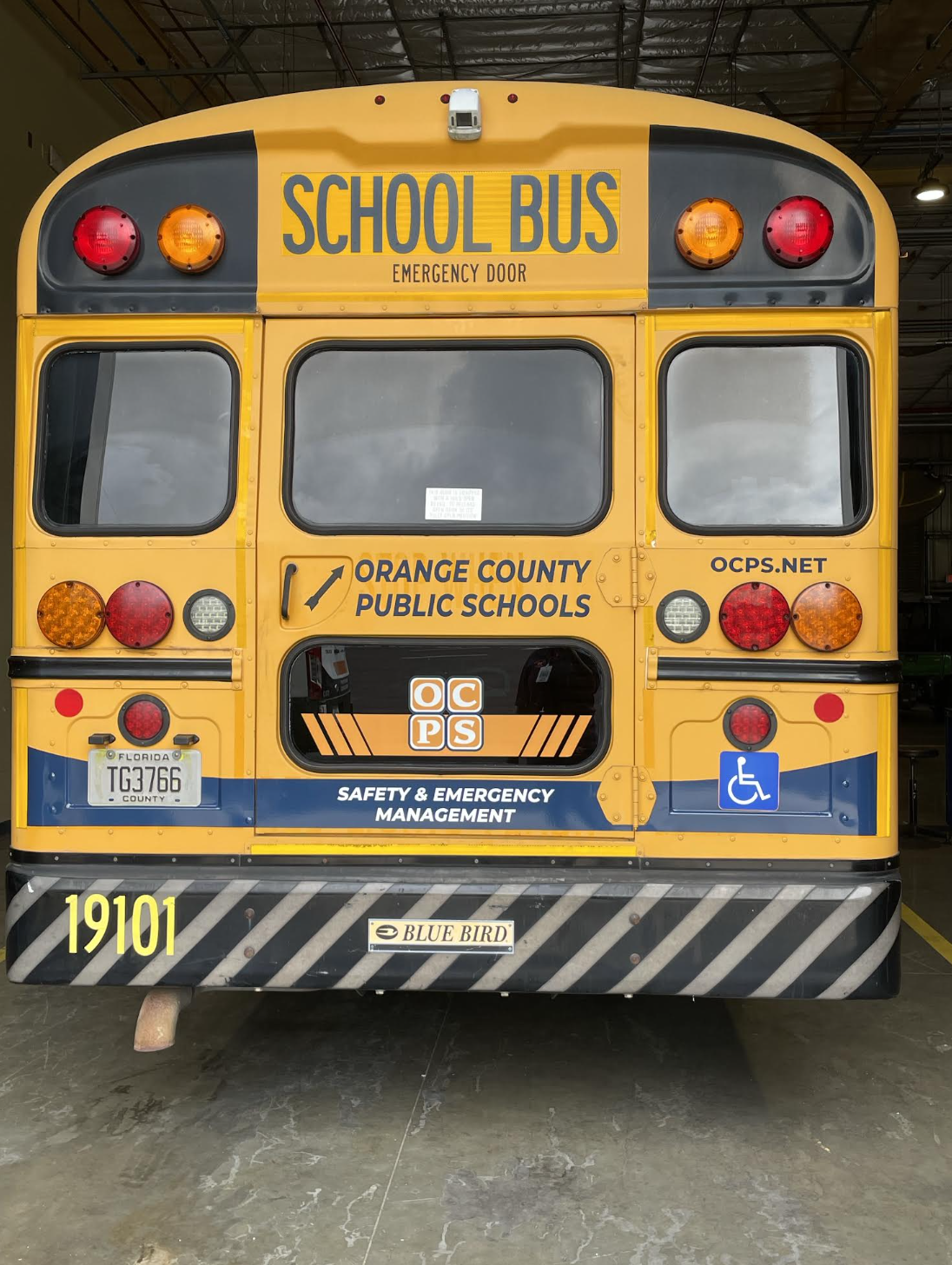
Orange County Public Schools repurposed a surplus school bus to keep reunification supplies organized and ready to deploy during an emergency.

Reunification planning may bring to mind the aftermath of a school shooting or other act of violence, but schools can find themselves needing to reunite students with their families for far more common reasons.
A power outage, water main break, severe weather event or another situation that makes normal dismissal impossible can require schools to establish a controlled process for getting every student safely into the hands of an authorized parent or guardian.
At Orange County Public Schools (OCPS) in Florida, preparing for that possibility raised a practical question. How do you get everything needed to operate a reunification site where it needs to be quickly?
The answer turned out to be an old school bus.
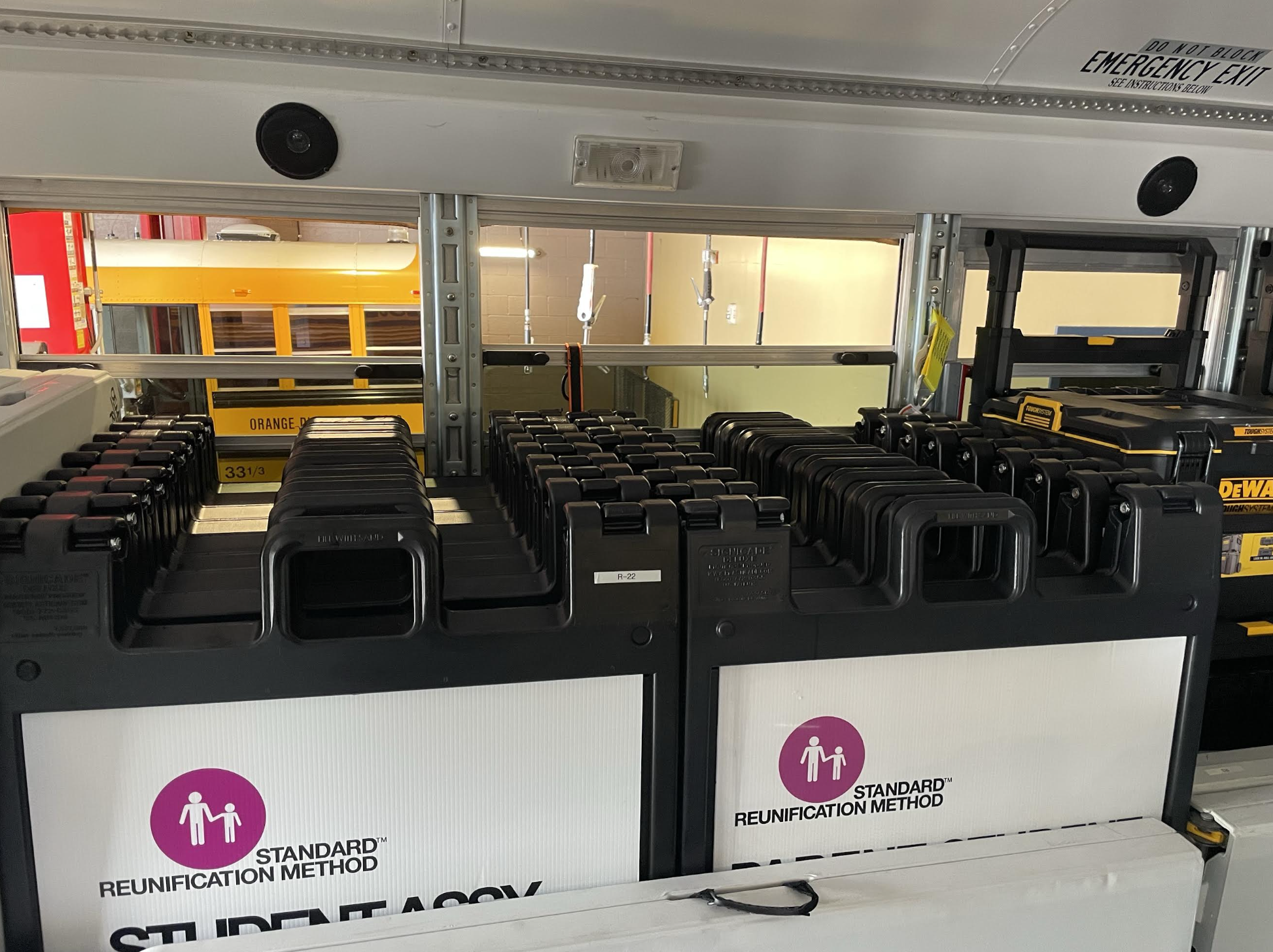
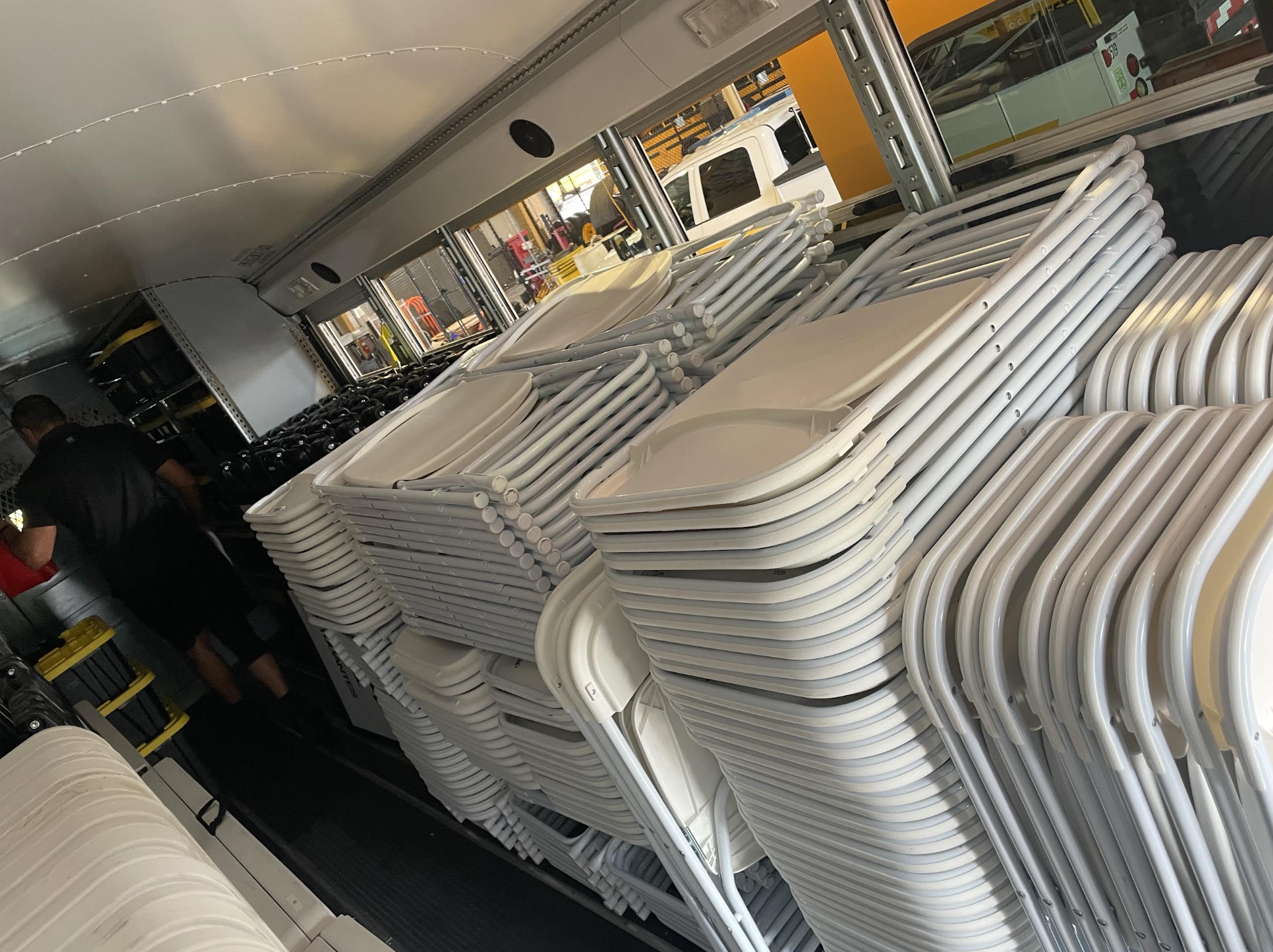
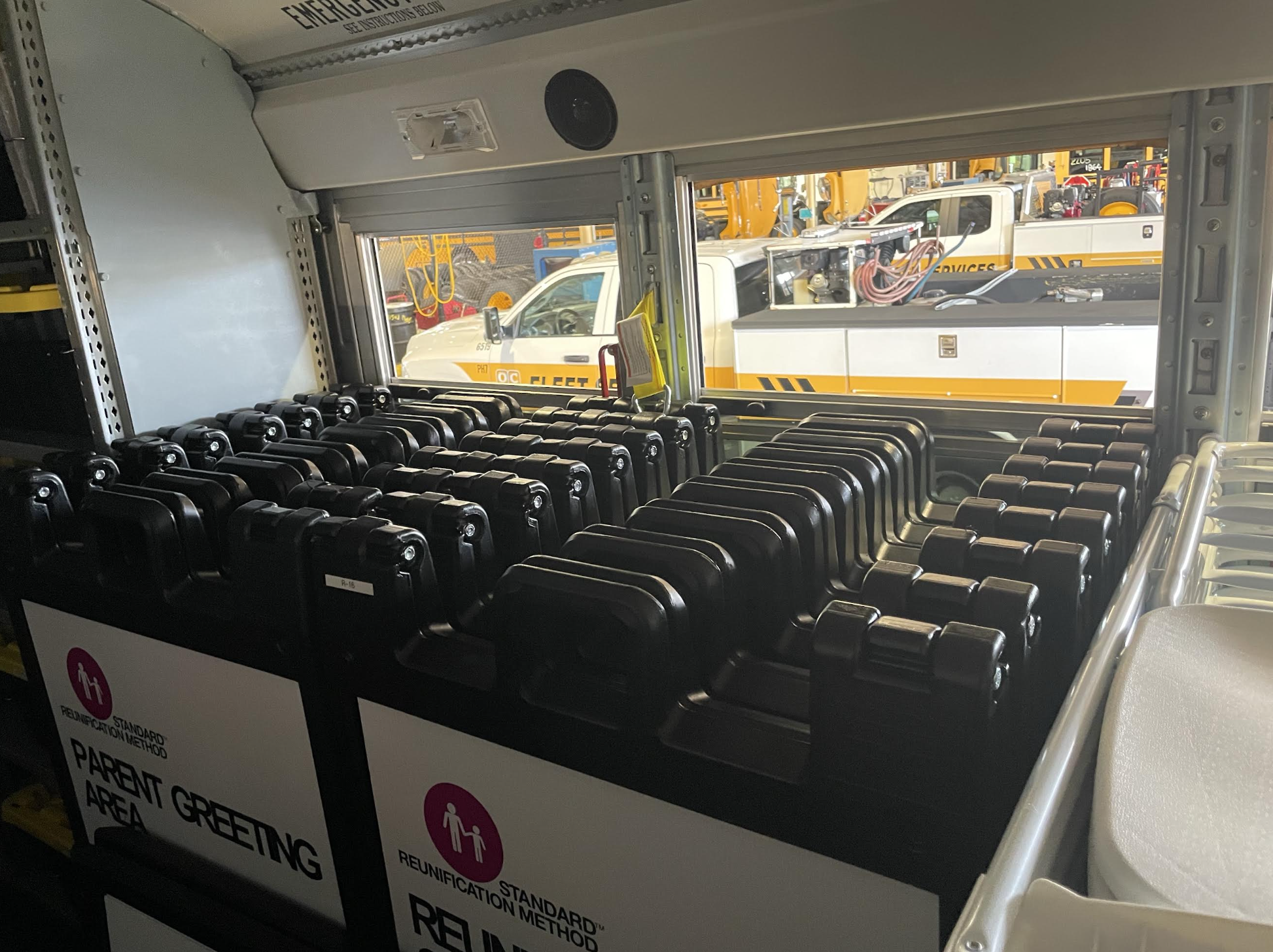
OCPS repurposed a surplus bus into a mobile reunification resource capable of storing and transporting the equipment needed to establish an off-site reunification location.
Solving a Reunification Logistics Problem
The idea for the bus began as OCPS officials considered how to store reunification supplies and move them quickly during an emergency while keeping costs manageable.
The district had warehouse space, but that presented another challenge. When an incident occurred, staff would have to retrieve the supplies, load them onto a box truck, and transport them to the reunification location.
Officials considered purchasing a trailer, but that would also require purchasing a vehicle to tow it.
A conversation with the district's transportation department provided another option. Transportation had school buses headed for auction and offered one to the district's emergency management team instead.
The idea was presented to the superintendent and approved. OCPS's transportation welding team then helped retrofit the bus as part of its regular work.
Because the district already owned the vehicle and used its own employees for the retrofit, most of the approximately $30,000 spent on the project went toward equipment and supplies.
More importantly, the bus gave OCPS a way to keep those resources together and ready to move.
Before the bus, transporting the same equipment could require several vehicles and multiple trips to the warehouse.
"This bus is a significant improvement. One trip, and everything we need is delivered," Loubert Alexis, Director of the Office of Emergency Management at OCPS, told School Security Leadership.
Building the Bus Around the Reunification Plan
OCPS didn't develop its reunification process around the bus. The district first had a plan, then looked at how the bus could support it.
The district's reunification plan is based on the Standard Reunification Method (SRM) developed by the I Love U Guys Foundation. The framework provides schools and districts with a process for reunifying students with parents or guardians following an emergency.
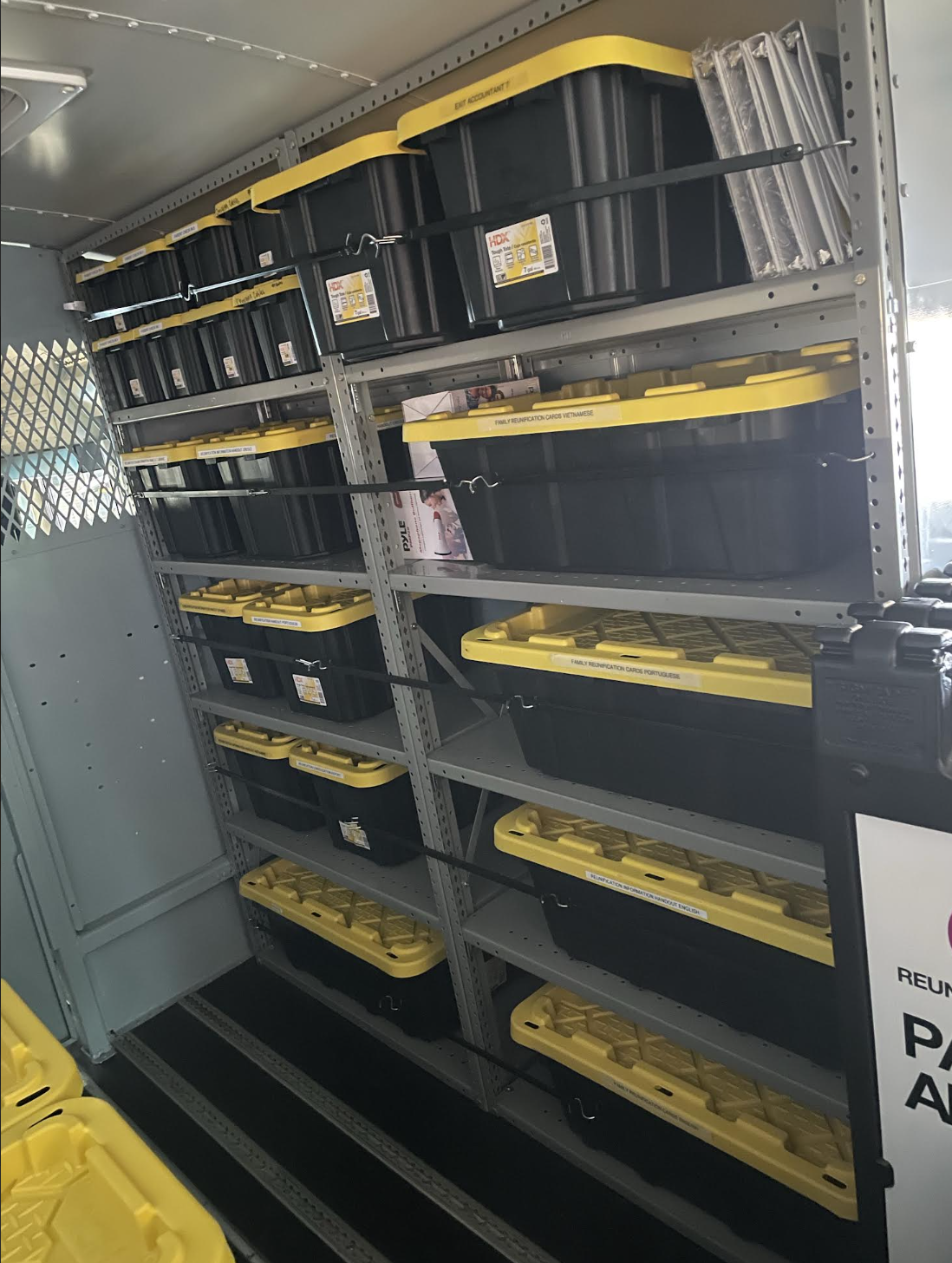
The foundation makes its SRM operational guidance and supporting resources available at no cost. Resources include parent handouts, reunification cards, sample memorandums of understanding, training materials and guidance for developing Reunification Operation Kits.
Alexis said OCPS used those resources as a baseline and expanded on them based on the district's own needs and experiences.
Some of the supplies added to the bus were the result of a reunification exercise OCPS conducted approximately two years ago. Emergency management officials also worked with the transportation team to determine which supplies and equipment could appropriately be stored on the bus.
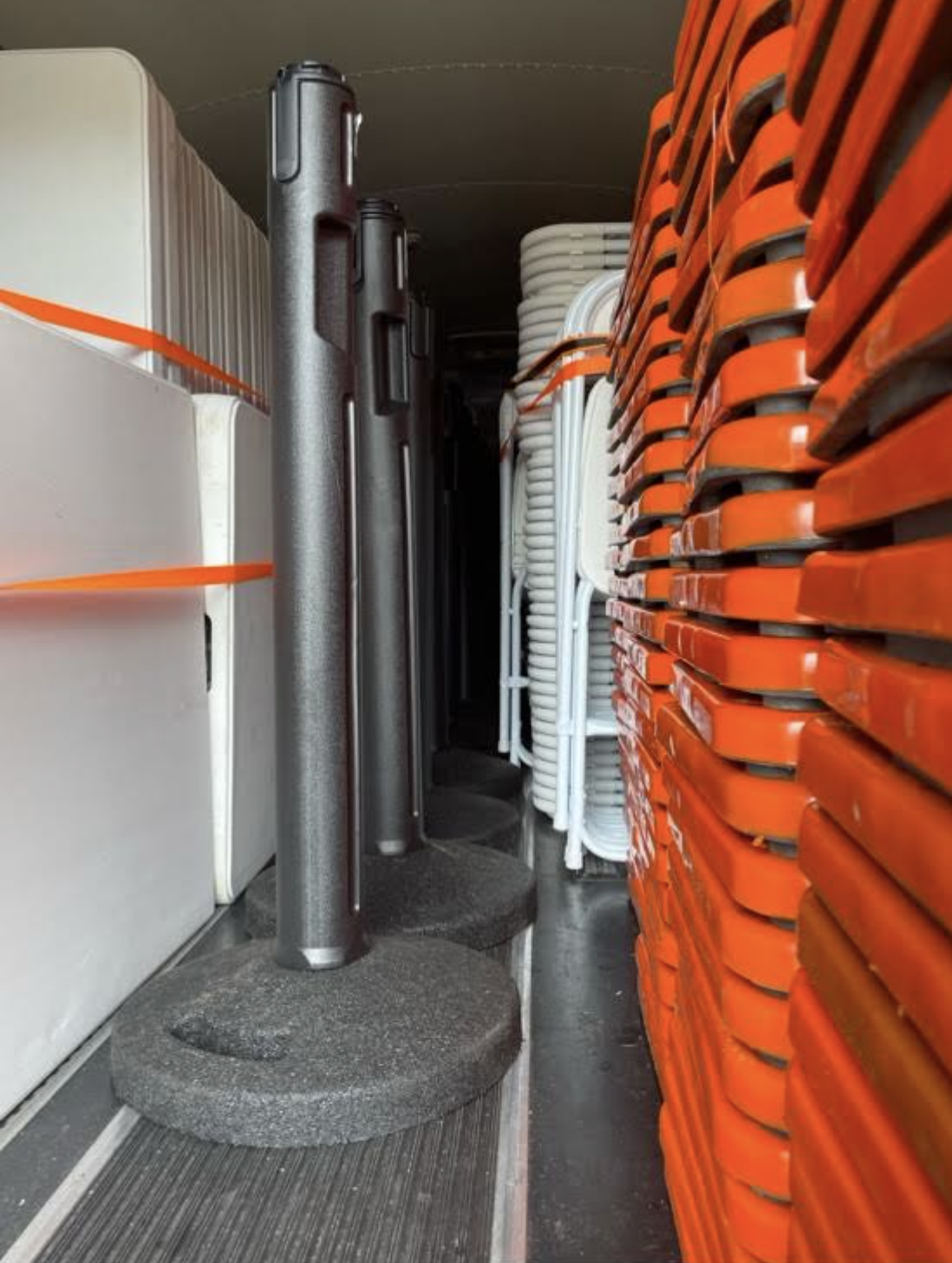
The vehicle now carries equipment such as stanchions, tables, chairs, cones and tents.
When the Reunification Bus Is Deployed
Not every reunification in OCPS requires the bus. The district's schools already have many of the same supplies. If an incident is small but still requires reunification, the impacted school's Emergency Response Team handles the process.
The bus and district staff are deployed for off-site reunifications when additional resources beyond those available at the impacted facility are needed.
When that happens, the OCPS Office of Emergency Management activates the district's Emergency Coordination Center, which begins preparing the facility for use. The bus can then be deployed along with district staff trained in the reunification process.
Each reunification station has a team trained to set up its respective area, while requests for additional resources go through the district's Emergency Coordination Center.
Although the bus is used to store reunification supplies and equipment, those resources can also be used for other emergencies when needed.
While OCPS hasn't had to deploy the bus for an actual reunification, it has been used during training and exercises.
A Reunification Plan on Paper Isn't Enough
Those exercises have helped shape both the bus and the district's larger reunification program.
They have also reinforced an important lesson for other school systems: Even a plan that appears comprehensive can work differently once people actually have to carry it out.
"We had a very robust plan until we exercised it and realized we had to tweak a lot of our processes," Alexis said. "Every training and exercise is an opportunity to make the plan better because gaps are revealed."
The I Love U Guys Foundation also provides resources for conducting reunification exercises, including materials covering different roles and responsibilities involved in the process.
Alexis also cautions against assuming local public safety agencies will simply take over reunification during an emergency, particularly when no formal agreement establishing those responsibilities exists.
He recommends that districts partner with local public safety agencies to develop a reunification plan and, most importantly, train and test it with everyone who has a role.
Preparing Students and Families for Reunification
Training staff is only part of OCPS's preparation. The district has conducted exercises with students so they understand the process and can help communicate to their parents that OCPS has a plan in place. Reunification forms are available in languages commonly spoken within the district, and OCPS has conducted interviews highlighting its reunification plan.
The district ultimately hopes to conduct a full-scale reunification exercise and invite parents to participate.
"Reunification Takes the Time It Takes"
The I Love U Guys Foundation recently released a video designed to help families understand the Standard Reunification Method before they experience it.
A Grownup's Guide to Reunification uses students, parents, and community members to walk viewers through what to expect during the process, including why families should wait for instructions, what happens when they arrive at the reunification site, and why following the established process is important for maintaining student accountability.
At one point, an impatient parent asks staff to hurry the process along.
"Reunification takes the time it takes," the reunifier responds.
The foundation recommends sharing the video with families, students, and staff at the beginning of the school year, as part of school safety and preparedness efforts, or even during an actual reunification.
For OCPS, the video aligns with efforts already underway to familiarize students with reunification and eventually involve parents in a full-scale exercise.
Moving From Paper Forms to an App
OCPS is also looking at technology to streamline its reunification process.
The district is developing a reunification app internally that Alexis said will eventually eliminate the need for paper forms. He said the district decided to develop its own tool because products currently on the market are extremely expensive.
Once the app is developed, tested and fully functional, it could also change how the bus is organized. Some of the bus's current storage space is dedicated to reunification documents. Alexis said that space could be reduced once the district moves away from paper forms.
Districts Don't Necessarily Need a Bus
For districts without the resources for a dedicated reunification bus, Alexis recommends starting with the I Love U Guys Foundation.
"I would advise them to start with the I Love U Guys Foundation," he said. "They have templates, training and recommended equipment lists, all for free."
From there, districts can assess the resources they already have.
Before OCPS landed on the bus, officials spoke with the maintenance department about whether trailers might be available. Alexis said districts could also consider trailers or cargo vans if a school bus isn't an option.
He also recommends working with local public safety partners, which may have equipment or vehicles they are willing to donate, as well as local emergency management offices that may already have reunification plans in place.
For districts looking to strengthen their reunification capabilities, the OCPS approach shows that the solution may start with taking a closer look at the resources they already have.