Gate Safety at Schools: New Standards, Codes, and the Work Ahead
New gate safety standards and building code changes are putting greater attention on how gates are installed, inspected, and maintained at schools.
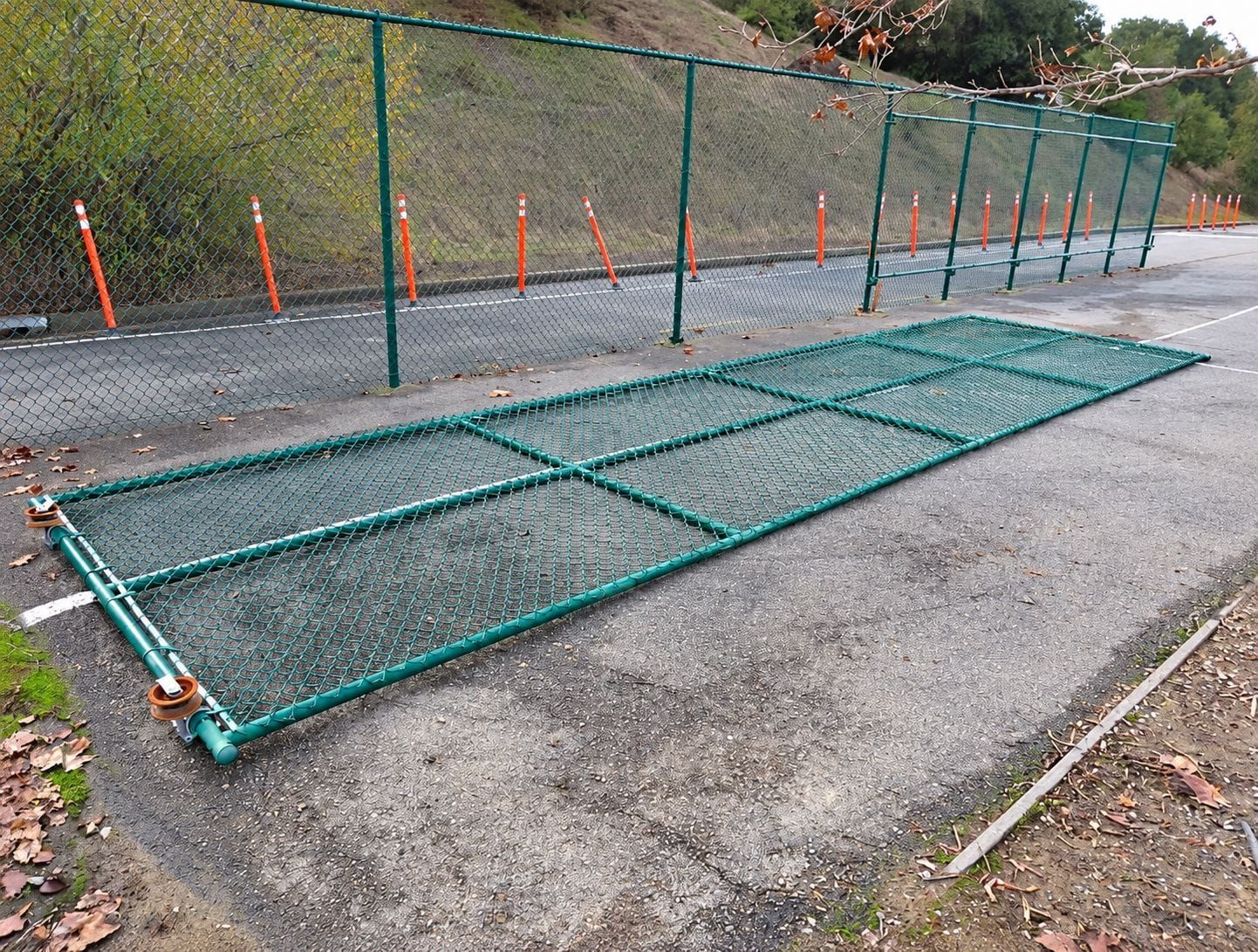
School safety teams work every day to anticipate risks and protect students. That work includes the physical spaces children move through: entrances, playgrounds, athletic fields, and parking areas. Hazards in those spaces can be easy to miss, particularly when they are part of a familiar environment.
Large gates are one example. Students pass through and play near them, but a gate that is improperly installed or maintained can become dangerous.
In 2019, seven-year-old Alex Quanbeck was playing at recess when a roughly 400-pound gate fell on him at his school, killing him. His parents, Dayna and Eric, founded Ready, Set, Safe! to help prevent other families from experiencing a similar loss. Since then, they have worked with gate industry professionals, safety experts, and code officials to strengthen gate safety standards.
As a result of these efforts, ASTM International, which develops voluntary safety and performance standards, expanded its safety requirements for the construction of manual slide and swing gates to include fall-over protections.
Those protections are also reaching building codes. In June, the International Code Council approved changes for its 2027 model codes that address manual and swing gates in new construction, work on existing gates, and ongoing maintenance. The changes will take effect in jurisdictions as they adopt the updated codes.
Federal action is moving forward, too. The bipartisan Alex Gate Safety Act would direct the U.S. Consumer Product Safety Commission (CPSC) to establish a safety standard for covered gates based on applicable ASTM standards and launch a national gate safety awareness campaign. The bill advanced out of the Senate Commerce Committee in April 2026, and we are hopeful it will advance further this year.
In September, CPSC’s acting chairman wrote to governors urging them to raise awareness of manual gate hazards and specifically identifying school officials among the groups that can play a role in prevention.
Looking Beyond Gates
Finding hidden hazards is a broader school safety challenge. That is why Ready, Set, Safe! launched Every School Assessed, an initiative to make regular, comprehensive school safety assessments the expectation.
A thorough assessment examines the physical spaces children use every day, including gates, to identify risks before someone is hurt.
October is Gate Safety Awareness Month, an annual campaign focused on raising awareness of potential gate hazards and encouraging proper installation, inspection, and maintenance. This Gate Safety Awareness Month, school safety directors can start by asking: Where are the large gates on our campuses? Who inspects and maintains them? And when was our last comprehensive safety assessment, including a review of gates and other facility hazards?
The answers can help turn progress in standards and policy into safer schools.
This article was contributed by Samantha Lasky, Executive Director of Ready, Set, Safe!, an organization dedicated to preventing child injuries from facility-related hazards where children learn and play.
Editor’s note: Ready, Set, Safe! is a partner of the National Council of School Safety Directors (NCSSD), which publishes School Security Leadership.