Strengthening Rural School Safety: Lessons From Weld County
The supervisor of the Weld County Sheriff's Office School Resource Unit shares practical lessons for strengthening rural school safety.

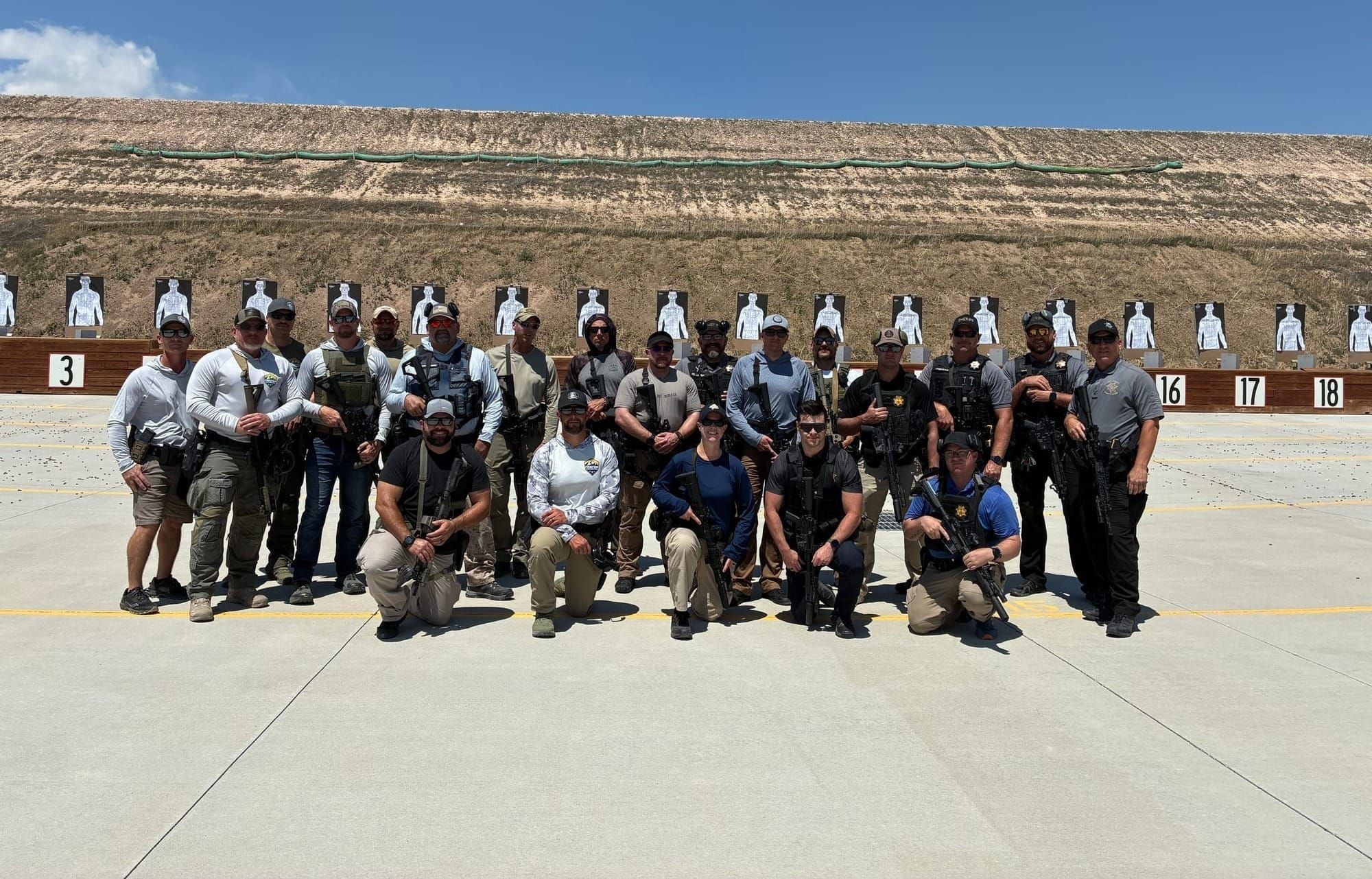
School resource officers and law enforcement personnel from rural communities throughout Colorado recently gathered in Weld County for a regional training initiative designed to strengthen school safety.
Supported through a Colorado Office of School Safety grant, the training brought together agencies from across the region to strengthen critical incident preparedness and share best practices.
For Sergeant Jason Phipps, who supervises the Weld County Sheriff's Office School Resource Unit, the initiative also created an opportunity to discuss the unique challenges and strengths of protecting schools in rural communities.
Expanding Access to Training for Rural Agencies
According to Phipps, the initiative grew out of ongoing conversations about expanding training opportunities for school resource officers (SROs) and other law enforcement agencies serving rural communities. When FASTER Colorado began looking for a northern Colorado location to host the program, the Weld County Sheriff's Office saw an opportunity to support neighboring agencies while strengthening regional preparedness.
"The purpose was twofold," Phipps told School Security Leadership. "Provide necessary training to agencies who might otherwise not have access due to funding or a training location. Secondarily, it was to increase SROs' knowledge, skills, and abilities responding to critical incidents."
While expanding access to training was a primary goal, Phipps said the conversations throughout the program also reinforced the unique realities of protecting schools in rural communities.
The Challenges and Strengths of Rural School Communities
Rural school districts often operate with fewer personnel, greater travel distances, and limited access to specialized resources. While they face many of the same school safety challenges as larger districts, Phipps said the difference is often the level of funding and staffing available to address them.
As a result, school safety technologies that may be commonplace in larger districts can be financially out of reach for smaller schools. Even when grant funding is available, rural agencies may lack the staff or grant-writing expertise needed to compete successfully for those opportunities. Phipps said that's one reason regional partnerships and training initiatives like the Weld County program are so valuable.
Despite those challenges, Phipps believes rural communities possess unique strengths.
"Everybody knows everybody," Phipps said.
In many rural communities, school staff, law enforcement officers, students, and families know one another well. People know who belongs on campus, making unfamiliar individuals easier to recognize and unusual situations more likely to stand out. That same familiarity also creates opportunities for SROs to build trust through regular, everyday interactions with students.
Phipps said rural SROs often have more face-to-face time with students than officers in larger districts, creating relationships that extend beyond emergency response. Building those relationships means engaging with students of all ages—whether it's talking in the hallway, attending school events, or swinging on the playground with a first grader. Those everyday interactions help students see the person behind the badge and build trust long before a crisis.
Phipps said those relationships also support behavioral threat assessment and early intervention by helping school staff better understand students' behavior and changes that may signal they need additional support. He emphasized that identifying and addressing concerns is a team effort involving behavioral threat assessment teams, mental health professionals, educators, school resource officers, and other trusted adults.
"It only takes one adult to get involved and change the outcome," he said.
Phipps also said prevention means recognizing challenges that are unique to many rural communities. Firearms are a common part of life in many rural areas, including Weld County. That familiarity, he said, can sometimes lead to apathy, making continued firearm safety education and awareness especially important.
"An ounce of prevention is worth a pound of cure," he said.
Those prevention efforts also influence how students respond during an emergency.
"In the event of a critical incident, a student is far more likely to respond to a familiar face than an unknown person who they may have been taught to distrust," he said.
Plan for the Unexpected
For small and rural districts looking to strengthen emergency preparedness, Phipps recommends starting with a comprehensive assessment.
"Everything within the schools somehow ties to a safety issue," he said.
From the location of chemical storage areas to electrical connections that power door locks, Phipps said every part of a school can influence safety. A comprehensive assessment helps identify vulnerabilities, prioritize improvements, and determine where resources are needed most.
Planning is equally important.
"Many schools speak about a response to an incident but lack clarity," he said.
Rather than relying on a general emergency plan, Phipps said schools should develop incident-specific procedures that clearly define who is responsible for what actions and when.
He recalled a question a first-grade student once asked him: "What would you do if an elephant came onto the playground?"
"There are no elephants in Colorado," Phipps said with a laugh. "But it was an excellent question."
While the scenario initially seemed far-fetched, he noted there is a nearby wildlife park, making it a reminder that even unlikely situations deserve consideration.
"Seriously," he said, "you need a plan for every possibility, and it needs to be rehearsed on what to do when it happens."