
School Crisis Recovery Planning: Lessons From Principals Who Have Been There
An updated guide developed by principals who have experienced school shootings offers lessons that can help schools prepare for recovery following other traumatic events.

In the aftermath of a school shooting, administrators face decisions about reopening buildings, supporting students and staff, coordinating outside assistance, and addressing the long-term needs of their communities. School leaders must often make these decisions while processing the effects of the tragedy themselves.
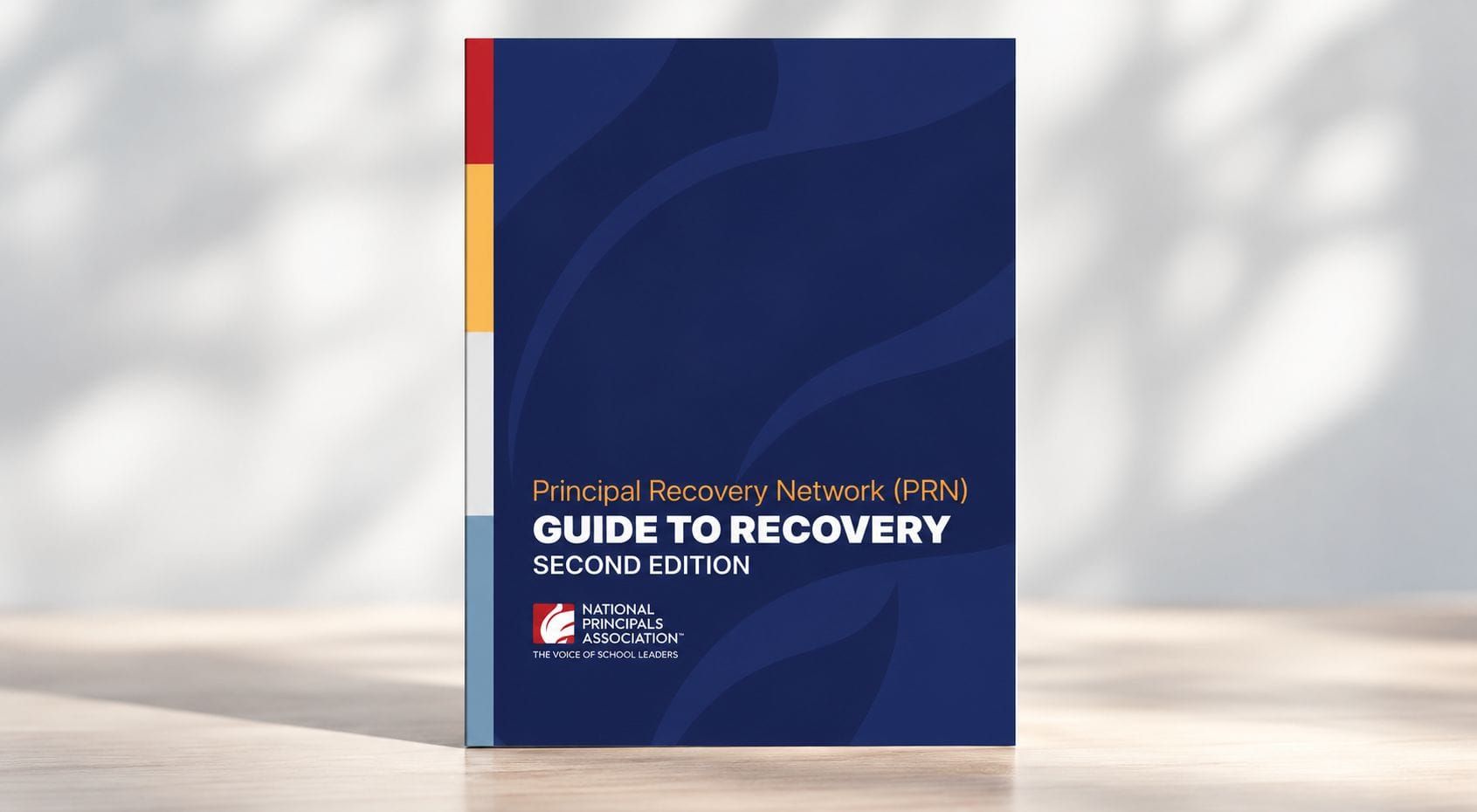
The National Principals Association's Principal Recovery Network (PRN) addresses these challenges in the 2026 second edition of its Guide to Recovery, which draws on the experiences of principals and assistant principals who have led schools following shootings, including those at Columbine High School, Sandy Hook Elementary School, and Marjory Stoneman Douglas High School.
Founded in 2019, the PRN connects current and former school leaders who have experienced gun violence in their buildings. Its members provide peer support and share lessons learned to help other school communities navigate recovery.
Although the guide focuses on school shootings, its authors note that many of the recommendations may also apply following other tragedies or disasters.
Coordinating Support and Outside Assistance
Following a shooting, schools may receive offers of counseling services, donations, supplies, and other forms of support. The PRN recommends identifying a primary point of contact to coordinate these offers and evaluating outside organizations before accepting their services.
The guide also encourages schools to establish relationships with trusted mental health organizations before a crisis occurs. This can include developing memorandums of understanding with providers and incorporating those arrangements into existing school safety plans.
Other recommendations include holding faculty meetings to assess immediate needs, ensuring access to trauma-informed mental health professionals, and identifying staff members who can manage donations and communications.
The guide also identifies potential state and federal funding sources to support recovery efforts.
Planning for School Reopening Following a Crisis
The PRN emphasizes that reopening decisions should account for more than the physical condition of a building. School leaders are encouraged to assess the readiness of students and staff, provide opportunities for employees to return before students, and consider whether a gradual return to normal schedules may be appropriate.
The guide describes approaches used by schools that have experienced shootings, including staff meetings, reunification events, shortened school days, and adjustments to classroom environments. Ty Thompson, former principal of Marjory Stoneman Douglas High School, describes how students and staff initially returned for shortened days following the 2018 shooting, with instructional time increasing as the community adjusted.
Addressing the Long-Term Needs of Students and Staff
The guide stresses that recovery needs may continue for years and can change over time. Recommendations include regularly assessing student and staff needs, maintaining access to mental health services, and establishing processes for identifying individuals who require additional support.
The PRN also addresses the importance of supporting school employees, including administrators, teachers, counselors, and other personnel who may be managing their own trauma while assisting students. Schools are encouraged to provide opportunities for staff to express concerns, participate in recovery decisions, and access appropriate services.
Including the School Community in Recovery Decisions
The PRN recommends involving students, families, and staff throughout the recovery process, particularly when making decisions about reopening, memorials, commemorations, and changes to school facilities.
Schools may use existing student leadership groups, faculty committees, surveys, or other structured opportunities to collect feedback.
The guide notes that perspectives and needs can change as recovery progresses. It encourages school leaders to maintain regular communication and explain the reasoning behind decisions, even when agreement among stakeholders is not possible.
The publication also offers detailed considerations for memorials and annual remembrances, including how to involve victims' families and avoid activities that could cause additional distress.
Managing School Safety Changes After a Shooting
The guide addresses the operational challenges that may arise when schools evaluate security improvements following a shooting, including decisions about physical security measures, emergency procedures, and required safety drills.
The PRN recommends considering community perspectives when implementing additional security measures and establishing clear policies governing new procedures.
For emergency drills, the guide encourages advance communication, coordination with counselors, and adjustments that account for the experiences of those affected. Certain sounds, procedures, or dates may trigger distress among students and staff who experienced the incident.
It also discusses preparing for subsequent threats, hoaxes, and swatting incidents, including maintaining relationships with law enforcement and developing comrmunication procedures.
What the Guide Offers for Other School Crises
Although the guide was developed specifically for schools affected by gun violence, several recommendations may also inform recovery planning following natural disasters, transportation tragedies, and other serious incidents. The experiences documented by PRN offer considerations for school and district leaders reviewing their own recovery procedures.
The full guide is available through the National Principals Association, which also connects principals who have experienced school shootings with PRN members for peer support.