When School Arrival and Dismissal Procedures Get Pushback: What School Leaders Can Do
A practitioner discussion about pushback to new arrival and dismissal procedures offers practical strategies for explaining safety changes, addressing concerns, and improving implementation.

Changes to school safety procedures can require students, staff, and families to adjust routines they may have followed for years. When those changes add time or inconvenience, school safety leaders may also find themselves fielding questions about why the new procedures are necessary.
That was the situation one school safety leader recently brought to fellow National Council of School Safety Directors (NCSSD) members after changing the arrival and dismissal process at a school in his district.
Every other school in the district already had a controlled drop-off and pickup procedure. This one did not. Under the new procedure, verified parents and guardians receive a car tag with an assigned number connected to the student they are authorized to pick up. Anyone without a tag must be verified before a student is released.
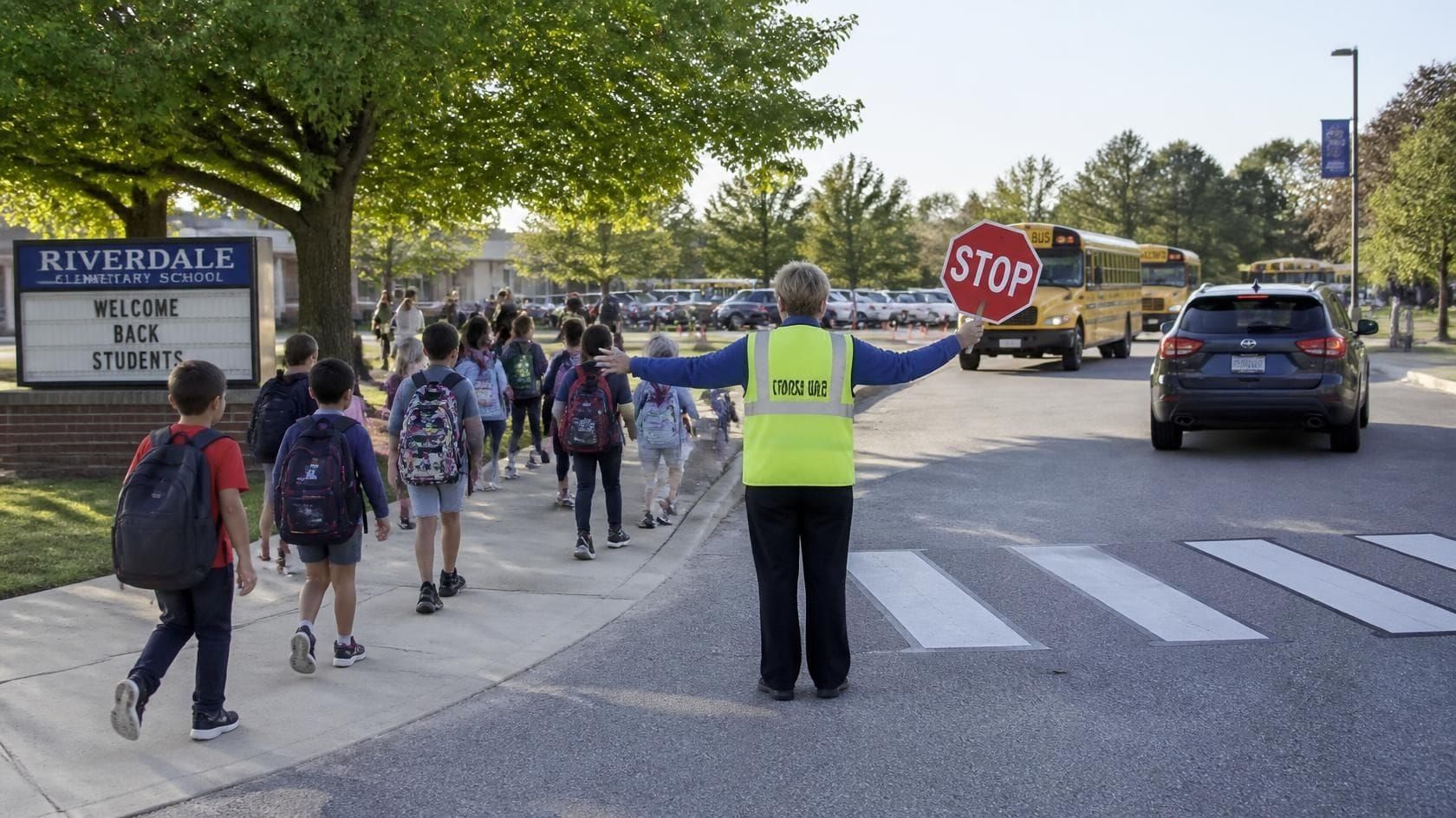
The changes also separated buses, cars, and pedestrians, reduced the need for students to walk in front of moving traffic, increased staff supervision during arrival and dismissal, and created a single monitored entrance into the school.
But the new procedure also increased pickup times. On the first day, dismissal took 50 minutes. By the following Monday, that time had been cut in half.
Even with that progress, the school safety leader learned that parents and community members might attend an upcoming school board meeting to raise concerns about the change.
“I need talking points to address complaints about the inconvenience and discuss the increased safety measures and best practices as it pertains to our students,” he wrote.
NCSSD members responded with recommendations based on their own experiences implementing safety procedures and addressing resistance to change.
Although the discussion centered on arrival and dismissal, several of the recommendations can also apply when schools introduce other new safety procedures.
Help Families Understand Why the Procedure Changed
Several members recommended focusing on why the new procedure was implemented and what had changed as a result.
One member suggested emphasizing that the change also brought the school in line with the rest of the district, creating greater consistency in arrival and dismissal procedures. That member had encountered a similar situation at an elementary school and said arrival and dismissal times improved significantly after a consistent process was established.
Another member recommended taking the district's primary talking points and turning them into a simple one-page information sheet for parents. The member had used that approach when their school changed its own drop-off process and said it helped families understand what was changing and why.
“Change is extremely hard for people,” the member wrote. “However, once they understand the ‘why’ behind the change and see how it benefits their children and the overall process, they usually become much more accepting of it.”
Another member suggested using visuals to show how the dismissal process works. Depending on the procedure, that could include showing families where vehicles should go, where students wait, and how traffic moves through the property.
These recommendations are consistent with strategies NCSSD members have shared in other discussions about staff buy-in. Members have emphasized explaining the reasoning behind security procedures, keeping communication practical, and involving the people affected by new expectations.
NCSSD Member Download
Practical Strategies for Strengthening Staff Buy-In
NCSSD members share practical strategies for improving staff engagement, strengthening leadership support, and building stronger school security cultures.
Access the Download →Address Concerns About Efficiency
Members did not suggest ignoring concerns about how long the new process was taking. Instead, they recommended continuing to improve efficiency while maintaining the safety measures that prompted the change.
If traffic is backing up, schools can examine traffic flow. If families are confused, communication can be improved. If dismissal is taking too long, staffing and sequencing can be reviewed. Signs and directions can also be adjusted when needed.
In the district that prompted the discussion, the improvement was already measurable. Dismissal took 50 minutes on the first day, dropped to 42 minutes two days later, and was down to 25 minutes by the following Monday.
Another member shared a similar experience at a private high school with more than 1,400 students. The school's dismissal process initially took approximately 45 minutes but decreased to about 15 minutes within two weeks.
“Your school board and parents need to trust you and your process,” the member wrote.
Prepare for Questions Before They Come
The school safety leader who started the discussion was preparing specifically for a school board meeting, and members helped him identify the points he wanted to be prepared to address.
Those included student identification, unauthorized pickups, custody and no-contact situations, separation of vehicles and pedestrians, adult supervision, controlled building access, and accountability.
Members also discussed questions school leaders may hear when changing arrival and dismissal procedures, including why a new process takes longer, why identification or a pickup tag is necessary when staff already know a parent, and why a change is needed if the school has not experienced a previous incident.
NCSSD Member Resource
Talking Points for Addressing Pushback to Arrival and Dismissal Changes
Preparing to answer questions from parents, administrators, or board members about changes to arrival or dismissal procedures? This member resource includes practical talking points for explaining the safety considerations behind the changes, along with sample responses to common questions and concerns.
Contributed by Floyd Evans, Safety and Security Officer and Video Coordinator, Bellwood School District 88.
Access the Member Resource →Leadership Support Can Affect Implementation
When the school board meeting took place, the parents and community members who had been expected to raise concerns did not attend. However, one board member opposed the change and questioned the priority being placed on school safety.
The school safety leader later told NCSSD members that he felt well prepared to explain why the procedure was necessary and credited the discussion with helping him gather facts, best practices, and talking points before the meeting.
A majority of the school board, principals and supervisors told him he had handled the discussion well, he said.
“We are holding steady and addressing the pushback and complaints as they come.”
Leadership support has also come up in previous NCSSD discussions about implementing school safety practices. Members have identified visible support from administrators, superintendents, and school boards as one factor that can help reinforce safety expectations throughout a district.
Continue Evaluating the Process
Several members emphasized continuing to evaluate and adjust a new procedure after implementation.
Members recommended listening to concerns that identify operational problems and looking for ways to improve traffic flow, staffing, communication, sequencing, or other parts of the process.
Related Reading
Locked Classroom Doors: What the Research Says and How Schools Can Improve Staff Buy-In
NCSSD members share how districts are addressing practical concerns and staff resistance while working toward consistent implementation of closed-and-locked classroom door policies.
Read More →As one response to the arrival and dismissal discussion put it, improving a procedure is different from eliminating the safety controls it provides.
For the district at the center of the discussion, the new arrival and dismissal process remained in place following the board meeting while school leaders continued addressing complaints and evaluating the process.