6-Year-Old Brings Loaded Gun on School Bus: 5 School Safety Takeaways
A loaded gun found on a school bus highlights important lessons about student reporting, staff preparedness, and firearm access.

As students across the country head back to school, many are also getting back on school buses. For some, including one of my own children this year, it will be their first time riding one.
As a parent, that comes with the usual worries. Will they know anyone? Will they remember their stop? Will they know what to do if something goes wrong?
But a recent incident in South Carolina made me think about another question: Have we taught our children what to do if they see something that makes them feel unsafe?
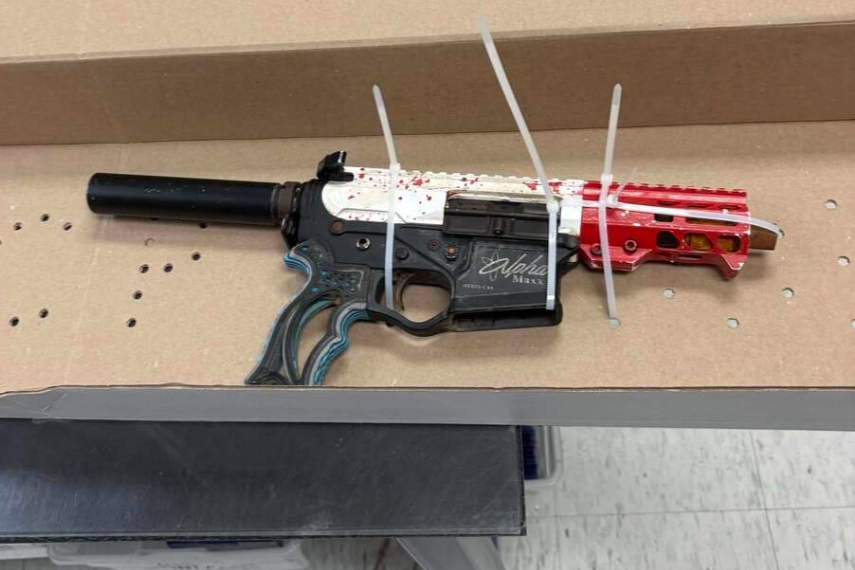
On Aug. 18, a student at J.P. Thomas Elementary School in Richland County, South Carolina, reported seeing a six-year-old child on a school bus with what the student believed was a BB gun. School administrators notified the school resource officer, who found an AR-style pistol loaded with .300 Blackout ammunition in the six-year-old's bag, according to the Richland County Sheriff's Department. Officials said the child had brought the gun onto the bus to show other students, who then notified staff. The firearm was safely secured, and no one was hurt.
Thankfully, in this case, a lot went right. A student saw something concerning and reported it, adults took the report seriously, the information reached the appropriate personnel, and a loaded firearm was recovered before anyone was injured.
The incident is also a reminder that school safety doesn't fall to any one person or department. Students, parents, teachers, transportation staff, administrators, school safety personnel, and law enforcement all have different roles to play.
While no one person can see or prevent everything, a strong safety culture can help ensure that when someone does see something concerning, the information reaches the people who can act on it.
As a new school year gets underway, the incident offers several important reminders for school safety leaders.
1. Teach Students What "See Something, Say Something" Actually Means
The student who reported the gun apparently didn't know just how serious the situation was. According to the sheriff's department, the student reported seeing what they believed was a BB gun. What authorities ultimately recovered was a loaded firearm.
But the student spoke up anyway.
It's also an example of why teaching students to report concerns matters. Students shouldn't be expected to determine whether a weapon is real, assess another student's intentions, or decide whether a situation poses an immediate threat. Their responsibility should be much simpler: If something seems unsafe or concerning, tell an adult.
That message may be particularly important for younger students. Schools spend the beginning of the year teaching and reinforcing expectations, from classroom behavior and emergency procedures to bus safety and arrival and dismissal routines. The beginning of the school year can also be an opportunity to talk with students about when and how to report safety concerns.
Topics might include:
- What kinds of things should students tell an adult about?
- Who can they approach?
- What should they do if they're on the bus, at recess, at an athletic event, or somewhere else outside the classroom?
- What if they aren't sure what they saw?
SchoolSafety.gov recommends providing multiple ways for students and other members of the school community to report concerns, including direct communication with trusted adults, phone tip lines, email or online forms, and text or mobile applications.
2. Don't Dismiss a Report Because It Seems Unlikely
The age of the child in the South Carolina incident is difficult to ignore. An adult hearing that a first-grader has a gun might wonder whether a young reporting student misunderstood what they saw.
In January 2023, a six-year-old student at Richneck Elementary School in Newport News, Virginia, brought a handgun to school and shot his first-grade teacher, Abby Zwerner.
Before the shooting, school personnel had reportedly received multiple warnings that the child might have a firearm. His backpack was searched, but no gun was found. Accounts that emerged after the shooting also described another student reporting that the six-year-old had shown him a gun.
The circumstances at Richneck and in South Carolina are different. In the South Carolina case, officials said the six-year-old brought the gun onto the bus to show other students.
However, Richneck offers a sobering reminder relevant to this incident: Even a report that sounds improbable may warrant serious attention.
3. School Bus Drivers Are Part of the Safety System
The South Carolina incident also highlights the role school buses play in school safety. A bus driver may be the school employee a student turns to if they see or hear something concerning during the ride to or from school.
While that makes transportation personnel an important part of a district's safety and reporting processes, there's an important distinction. Shared responsibility for school safety does not mean everyone has the same responsibility.
A school bus driver's first responsibility while behind the wheel is safely operating the bus. Drivers cannot be expected to hear every conversation, watch everything happening behind them, or continuously monitor students for concerning behavior while safely navigating traffic.
That's something districts may want to consider when planning safety training for transportation personnel: If a driver observes something concerning or a student brings a concern directly to them, do they know when to escalate it, who to contact, and what procedures to follow?
The same questions can apply to other school employees. Custodians, food service employees, coaches, substitute teachers, front-office personnel, paraprofessionals, and other support staff may all be the adult a student chooses to approach.
They don't need to be investigators or threat assessment experts, but they should understand their district's process for getting a concern to the people who are.
4. Reporting Needs to Work Beyond the Classroom
The August incident wasn't the first time this year that a student report led authorities to a firearm on a Richland County school bus.
In May, a student reportedly texted 911 after seeing an 18-year-old student displaying a loaded gun on a bus headed to Blythewood High School. Deputies and school resource officers located the bus, and authorities said a loaded pistol was recovered from the student's bag.
Afterward, Sheriff Leon Lott praised the student for speaking up and credited the report with allowing authorities to intervene quickly.
The two incidents involved students of very different ages and circumstances, but both show the importance of students knowing how to report safety concerns wherever they happen, including on the school bus.
Reporting Lessons Can Extend Beyond School
While this incident happened on a school bus, the lessons students learn about reporting safety concerns can apply in other settings.
Teaching students to tell an adult when they see a weapon or something else that concerns them may also give them a response to fall back on when they encounter something unsafe outside of school.
That's particularly relevant when it comes to firearms. Centers for Disease Control and Prevention (CDC) data on unintentional firearm deaths among children found that 85.5% of victims were fatally injured in a house or apartment, including 55.6% in their own home. Overall, about two-thirds of the deaths occurred while someone was playing with or showing the firearm to another person.
That last finding is especially notable in the South Carolina case, as officials said the six-year-old brought the firearm onto the school bus to show other students.
We can't expect children to be responsible for preventing firearm injuries, but teaching them to tell an adult when they encounter a firearm or another potentially dangerous situation is a lesson that can extend beyond school grounds.
5. Keeping Guns Out of Schools Starts Before Students Arrive
According to the Richland County Sheriff's Department, investigators determined that the firearm had not been properly secured at the child's home, allowing the six-year-old to gain possession of it. The child's mother was subsequently charged with unlawful conduct toward a child.
While the criminal case is ongoing and there are still unanswered questions about exactly what happened, the circumstances also bring parental responsibility and firearm access into the conversation.
A 2026 study published in JAMA Network Open estimated that 32.3 million U.S. children live in households with firearms. Of those, approximately 6.7 million live in a home where at least one firearm is both loaded and unlocked. Among gun owners living with children, just over one in five reported having at least one loaded and unlocked firearm in the home.
The South Carolina incident was one of three involving loaded firearms at Richland County schools during the first week of classes. During a press conference addressing the incidents, Sheriff Leon Lott emphasized the responsibility of adults to secure their firearms and keep them out of children's hands.
Recent school shootings have also brought increased attention to parental responsibility and firearm access. The parents of the Oxford High School shooter were convicted of involuntary manslaughter in connection with the 2021 shooting. More recently, the father of the Apalachee High School shooter was convicted of second-degree murder and involuntary manslaughter in connection with the 2024 attack.
The circumstances and legal issues in each case are different, but each has raised questions about the responsibilities of parents and caregivers when children gain access to firearms.
The Richland County Sheriff's Department is also partnering with Prisma Health Richland Hospital during SMART Week to distribute free gun locks and lockboxes to community members.
When a Student Speaks Up
Thankfully, no one was hurt in the South Carolina incident. A student saw the gun and reported it, school personnel were notified, and the school resource officer recovered the loaded firearm.
As a parent sending one of my own children onto a school bus for the first time this year, and another for the third year, that's the part of this story that has stuck with me.
I can't prepare my children for every unsafe situation they might encounter, nor would I expect them to determine whether something they see poses an actual threat. But I can make sure they know that if something doesn't seem right, they should tell an adult.
In this case, that's what a student did. And thankfully, everyone went home safely.
Related School Transportation Safety Resources
For additional guidance on school bus and transportation safety:
-
Transportation Crisis Response Quick-Reference Guide
Subscriber Resource: A one-page guide for school bus drivers and transportation personnel responding to emergencies, security incidents, suspected weapons, and other critical situations. -
School Transportation Security: Lessons From School Safety Leaders
NCSSD members share approaches to bus driver training, emergency preparedness, tabletop exercises, and transportation security. -
Back-to-School Safety Tips: Transportation Safety
Practical considerations for school buses, walking, biking, student drivers, arrival and dismissal, and transportation planning. -
Using Data and Community Input to Improve School Transportation Safety
How data, community feedback, and partnerships can help identify and prioritize transportation safety improvements.