Weapons Detection in Schools: What Palm Beach County Has Learned in 3 Years
A Palm Beach County Schools police lieutenant shares practical lessons on equipment selection, staffing, student screening, and the ongoing challenges of operating a weapons detection program.

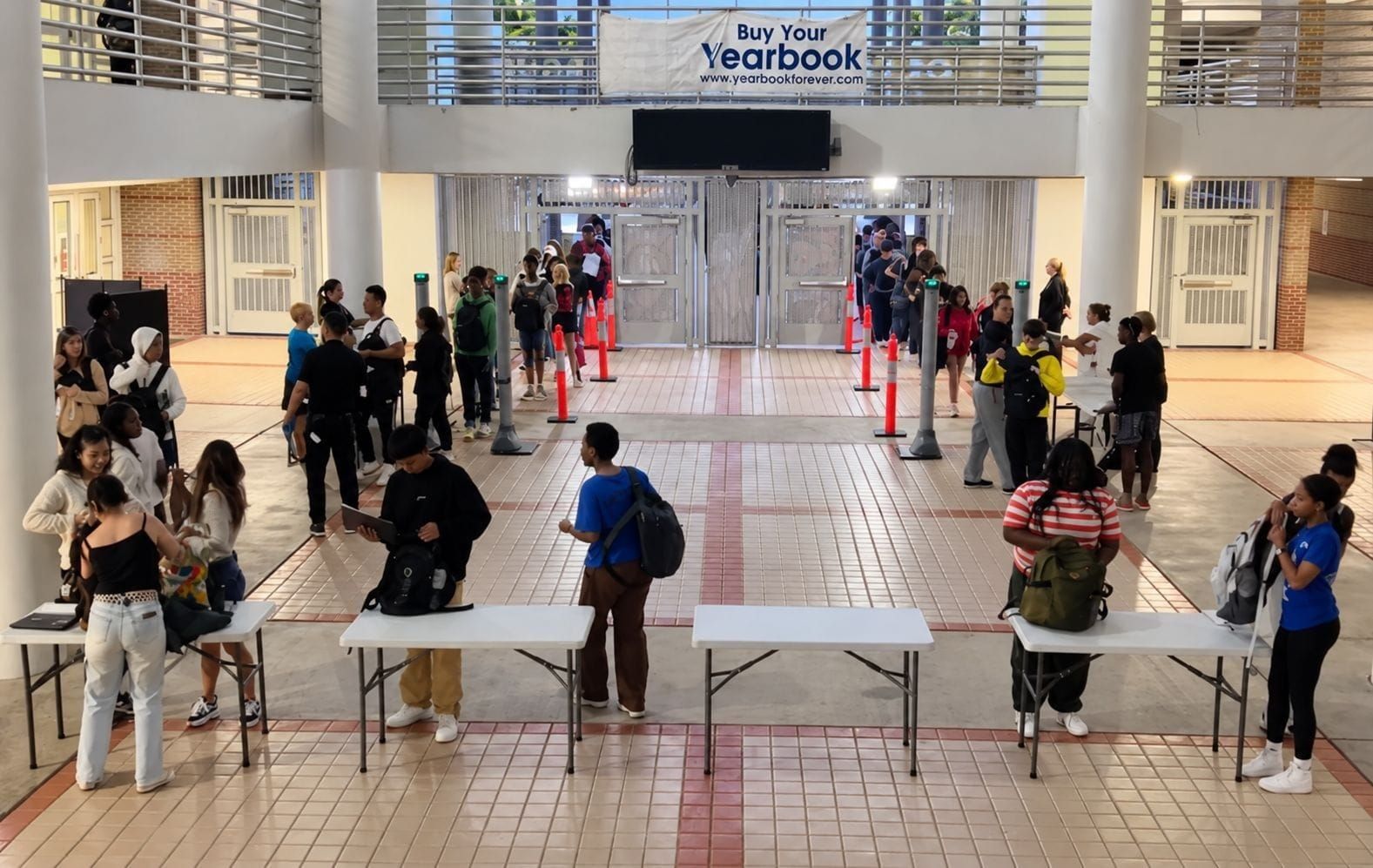
For school districts considering weapons detection technology, selecting the equipment is only one part of the process. Schools must also determine how to screen hundreds or thousands of students without significantly disrupting arrival, who will operate the equipment, what happens when an alert occurs, and how to protect students' rights throughout the process.
Those considerations have shaped the School District of Palm Beach County's weapons detection program over the past three years.
The Florida district's high schools average approximately 2,500 students, with some enrolling as many as 3,000. Introducing weapons detection meant establishing a process capable of screening large numbers of students during a concentrated arrival period while maintaining consistent procedures across campuses.
Frank Fanelli, a lieutenant with the School District of Palm Beach County Police Department, has helped oversee that effort. He has more than 33 years of law enforcement experience, including 25 years with the district. His responsibilities include special projects, compliance, crisis response training, and implementing and overseeing the weapons detection program.
His experience has reinforced that the effectiveness of a screening program depends on much more than the technology itself.
"No single tool makes a school safe," Fanelli told School Security Leadership. "Weapons detection adds an important layer, but its effectiveness depends on controlled access, trained personnel, clear procedures, and an appropriate response when something is discovered."
Case Study at a Glance
- District
- School District of Palm Beach County, Florida
- Technology
- CEIA OPENGATE weapons detection system
- Implementation
- Began approximately three years ago
- Schools
- High schools and alternative schools
- Screening personnel
- Administrators, teachers, and support staff
- Law enforcement
- School District of Palm Beach County Police Department
Evaluating Weapons Detection Based on School Operations
Palm Beach County began exploring weapons detection as another way to identify weapons before they entered schools.
The district introduced weapons detection to build on its established school safety practices and the ongoing work of its police department, adding another layer of protection and a visible deterrent at school entrances.
But the district needed technology that could function within the realities of its campuses. In addition to detection capability, district officials evaluated student volume, portability, battery operation, environmental interference, ease of use, storage, and manufacturer support.
The district selected CEIA's OPENGATE weapons detection system because its capabilities aligned with those operational requirements.
Portability was particularly valuable. The district could use the equipment during daily student arrival and relocate it for athletic events and other school activities. Battery operation also allowed deployment without relying on permanent electrical infrastructure.
The ability to adjust sensitivity provided additional flexibility when circumstances required a different screening approach.
Balancing Detection Capability With Screening Capacity
Palm Beach County also had to consider how detection performance would affect the number of secondary searches.
District officials evaluated what the equipment could detect, which everyday belongings might trigger alerts, and whether staff could manage the resulting secondary searches.
Palm Beach County also tested different sensitivity configurations and newer equipment, including their ability to detect smaller firearms. Those evaluations considered how changes in detection performance affected alert rates and the number of secondary searches required.
Testing also helped the district identify common sources of alerts, including individual metal objects and combinations of electronic items inside backpacks.
“A product demonstration is useful, but the real test is whether the equipment and the surrounding process work during daily school arrival.”
Planning Around Campus Layouts and Student Arrival
Before deploying equipment, Palm Beach County conducted site surveys to evaluate student arrival patterns, campus entry points, and potential locations for screening and secondary searches.
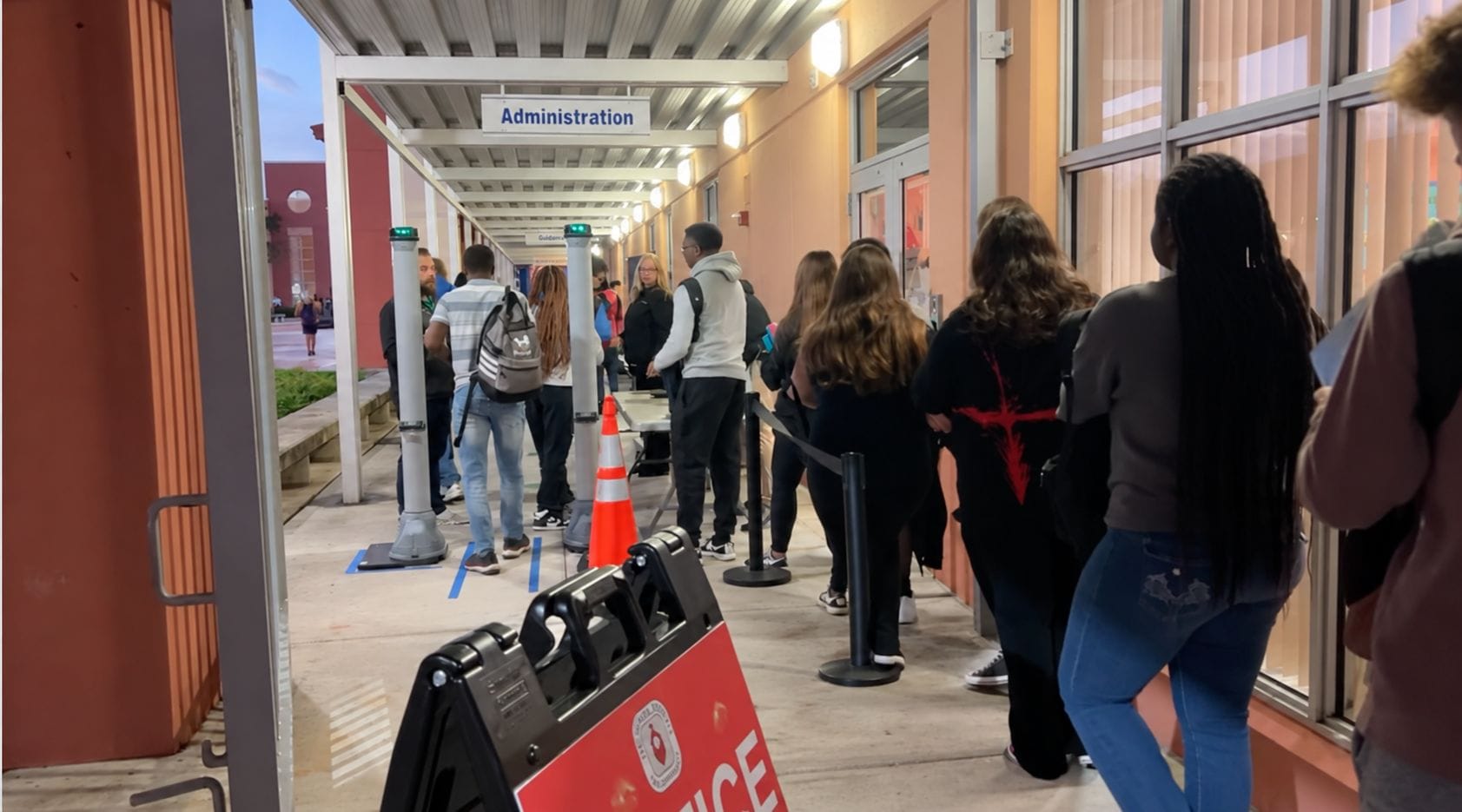
Planning was particularly important because many Florida schools have open-air campuses with multiple buildings and entrances. Some schools had to change their arrival procedures to direct students through designated screening points.
The district also considered fencing, walkways, weather protection, available space, and privacy barriers for secondary searches. With thousands of students arriving in a short period, Palm Beach County schools needed sufficient screening capacity and staffing to manage student flow and resolve alerts.
Staffing and Law Enforcement Support Are Essential
Rather than establishing a separate workforce of dedicated screening operators, Palm Beach County relied on administrators, teachers, and support personnel to operate the equipment and manage screening.
Staffing requirements also extend beyond the initial checkpoint. When equipment generates an alert, personnel must conduct secondary screening, maintain control of alerted belongings, and supervise the student while other staff continue processing arrivals. The number of alerts can therefore affect how many employees are needed to operate the program.
Palm Beach County also has a resource that many school districts do not: its own police department.
Unlike districts that rely on school resource officers assigned by municipal police or sheriff's departments, Palm Beach County operates a dedicated law enforcement agency staffed by sworn officers employed by the district.
Those officers respond to emergencies, investigate crimes, address threats, and work closely with administrators, educators, students, and families. Their responsibilities also include recognizing when a situation requires law enforcement involvement and when it is better addressed through school administration or student support.
Although district police officers do not operate the weapons detection equipment or conduct screening, they remain nearby and prepared to respond if a weapon is discovered. They also participate in communication procedures to ensure appropriate notification.
For districts without their own police departments, Fanelli recommends coordinating with school resource officers or local law enforcement before implementing screening, including establishing who will respond and what staff should do until officers assume control.
A Phased Rollout Helped Establish Consistent Procedures
Palm Beach County introduced weapons detection in phases, deploying equipment at four schools at a time with two-week intervals between each group. The schedule allowed time for staff training and mock deployments before screening began.
The district used a train-the-trainer model to develop internal expertise. Training covered equipment operation, secondary searches, student supervision, and emergency notification.
Each phase gave the district an opportunity to identify challenges and refine procedures before expanding to additional schools.
"Different campuses presented new challenges, and we carried those lessons into the next group of schools by refining training, procedures, and site preparations," Fanelli said.
Preparing Students, Staff, and Families for Screening
Before introducing weapons detection, Palm Beach County worked to ensure students, staff, and families understood what to expect. The district used instructional videos and repeated messaging to demonstrate screening procedures and explain what students needed to do.
"Communicate, communicate, communicate," Fanelli said. "One announcement is a starting point; repetition builds understanding."
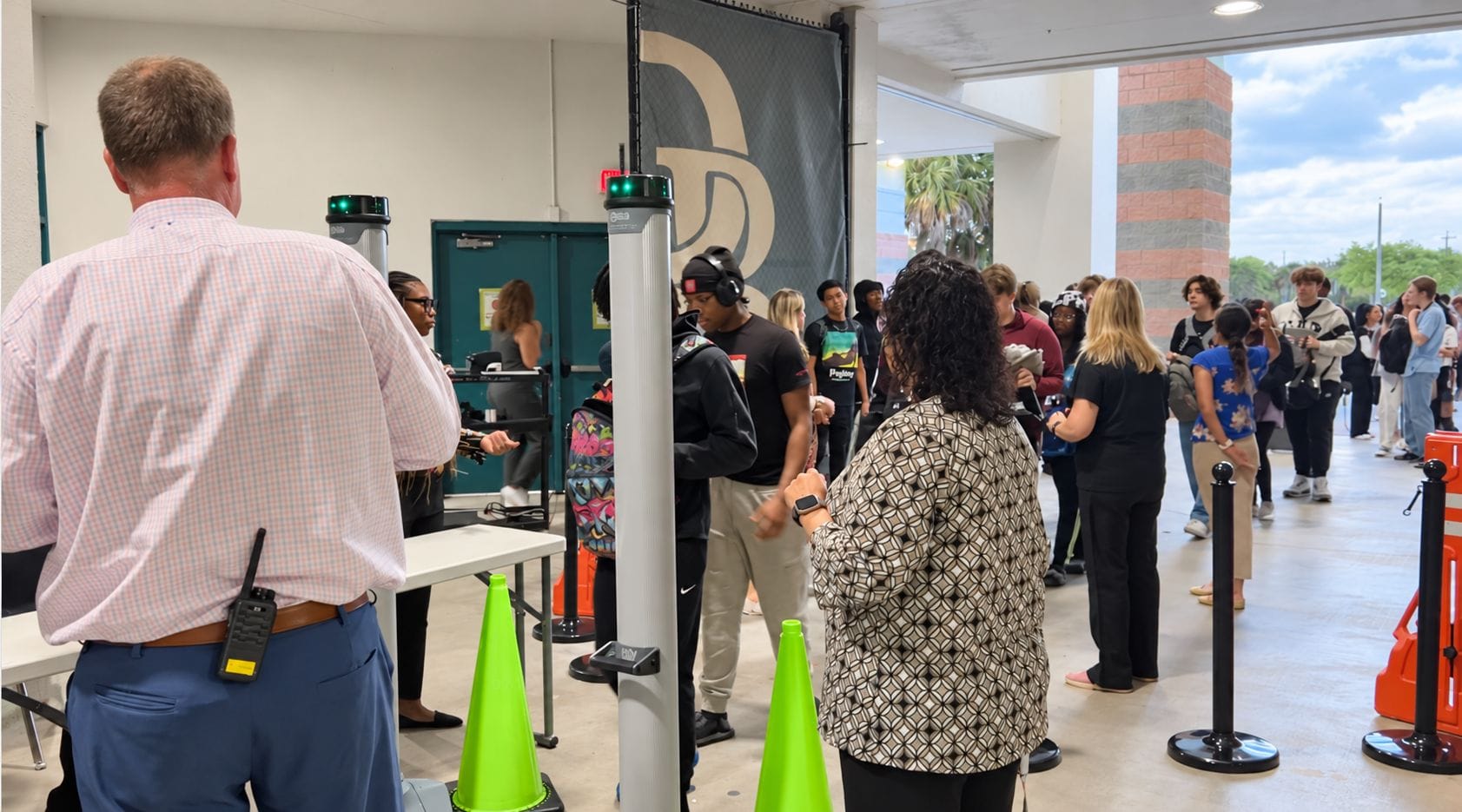
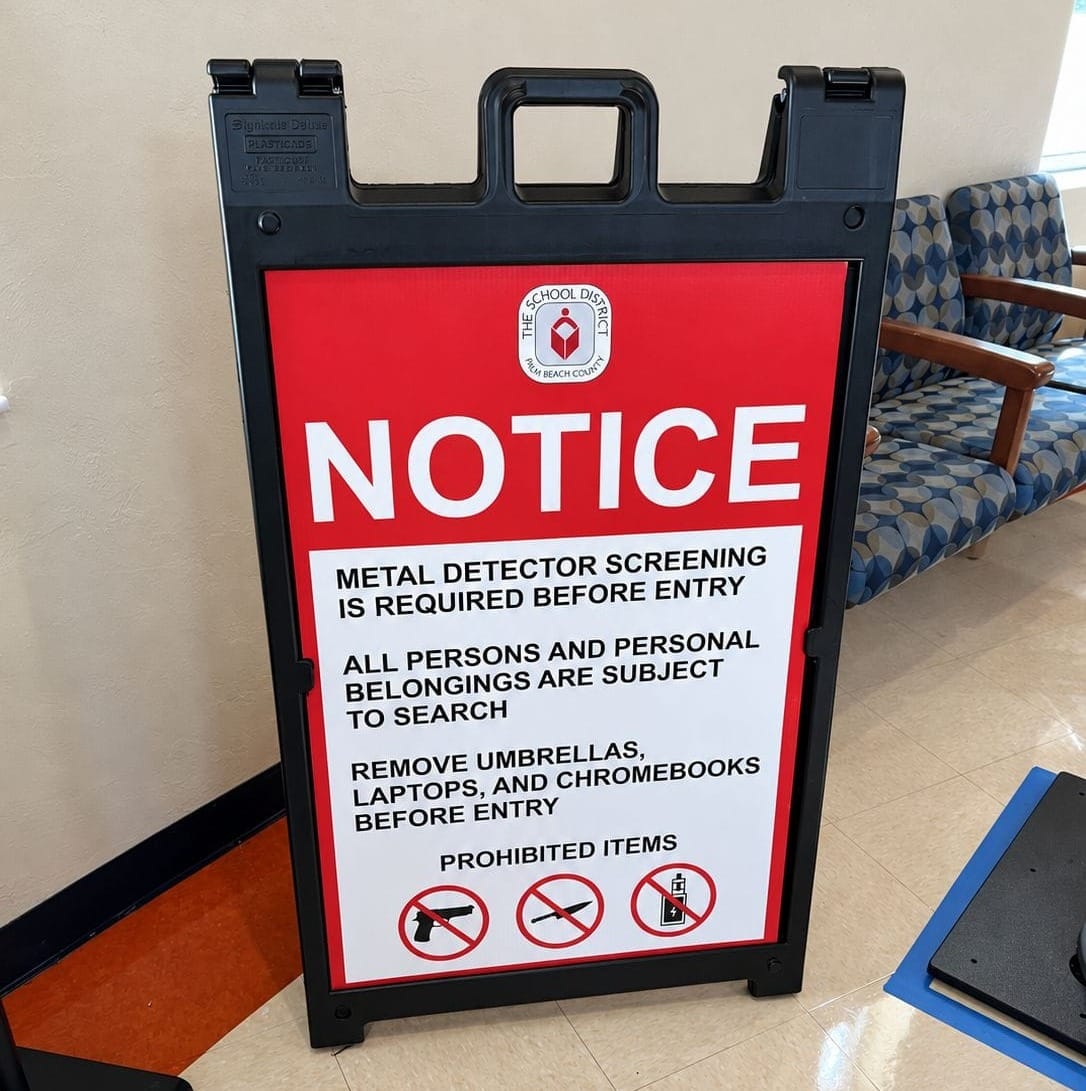
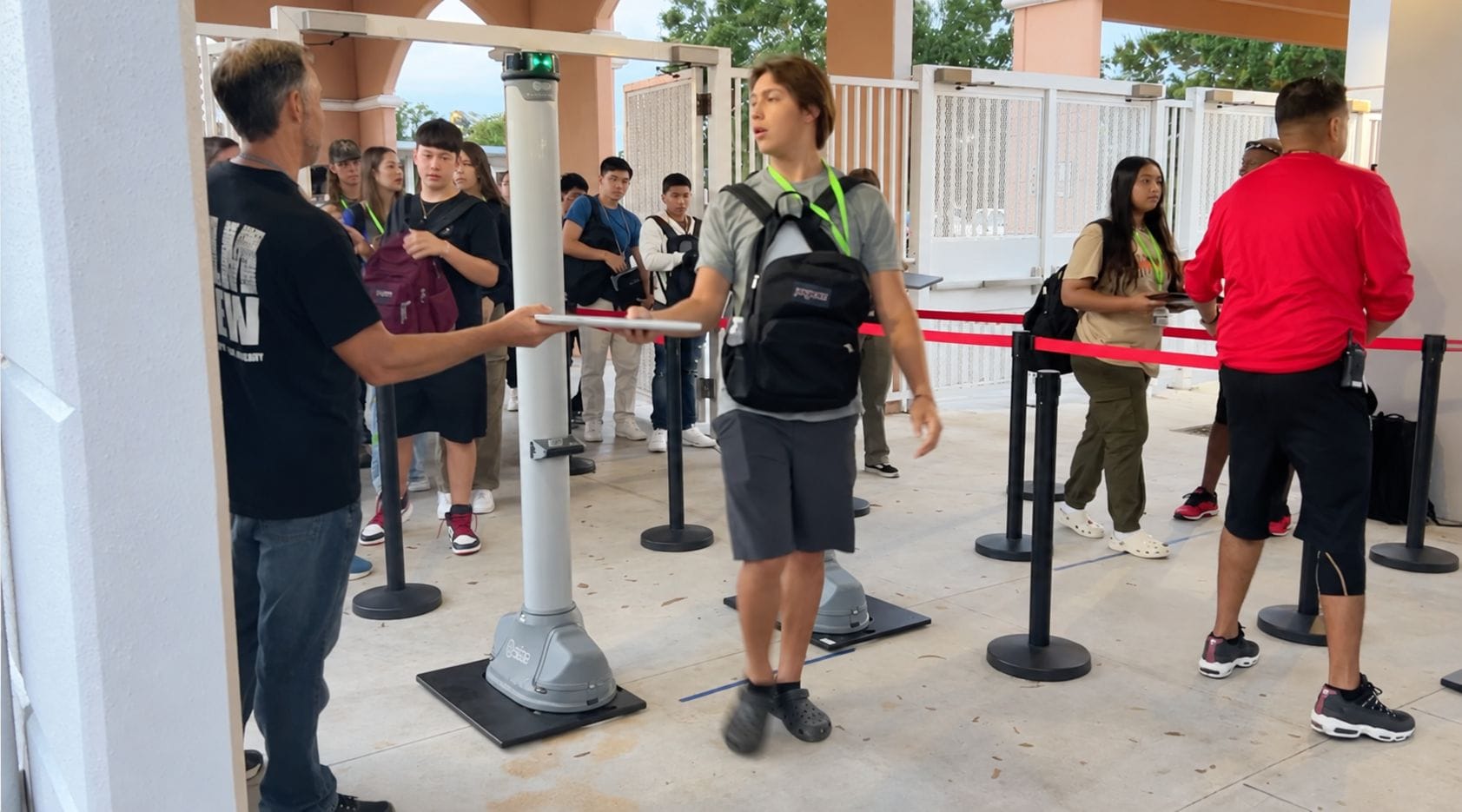
During daily arrival, students are instructed to remove designated items, including umbrellas, binders, and laptops, and present those items for separate screening. Students carry their backpacks in front of them as they pass through the detection system. Removing an item from a backpack does not exempt it from screening.
Students also need to understand what happens when the equipment generates an alert. An alert does not necessarily indicate that someone has a weapon. Everyday metal objects or combinations of belongings may trigger the system, requiring staff to determine the cause.
Fanelli said advance communication helped students and staff become more comfortable with the procedures. As familiarity increased, screening became a more routine part of the school day.
Resolving Alerts While Protecting Student Privacy
When equipment generates an alert, Palm Beach County staff direct the student and their belongings to a designated secondary screening area.
If a backpack triggers the alert, staff take possession of the bag and have the student pass through the detection system separately. The backpack is then searched according to established procedures while the student remains supervised.
Fanelli emphasized that repeatedly sending a student and backpack through the equipment is not an acceptable substitute for resolving an alert.
The district also uses privacy screens or barriers during secondary searches to protect students from unnecessary attention and allow staff to manage situations discreetly. If a weapon is discovered, the barriers also help prevent panic among students waiting in line.
When a weapon is discovered, staff follow established notification procedures and maintain supervision until law enforcement assumes control.
“An alert does not establish wrongdoing, and the student deserves to be treated with dignity.”
Legal Review Must Be Part of Planning and Training
Palm Beach County involved district legal counsel in reviewing the Fourth Amendment, applicable state laws, student search guidelines, and relevant court rulings before implementing weapons detection.
That review included establishing the authority and limitations governing searches, as well as the respective responsibilities of school employees and law enforcement officers.
Fanelli pointed to the U.S. Supreme Court's decision in New Jersey v. T.L.O. as important guidance on individual student searches conducted by school officials. He emphasized, however, that districts should consult legal counsel to review the authority and procedures governing routine weapons screening, which raises additional legal considerations.
"Knowing how to operate the equipment does not establish that someone understands how to conduct a lawful search," Fanelli said.
Training must address when searches are permitted, their legal limits, and when law enforcement should become involved. Fanelli also emphasized that protecting student rights goes beyond reducing district liability.
"Keeping students safe and respecting their rights are both part of the job."
Screening Beyond Morning Arrival
Palm Beach County's weapons detection program has identified firearms concealed in students' belongings, including handguns equipped with high-capacity magazines.
In another incident, screening identified a firearm carried by a visitor entering a school's front office. The incident reinforced the district's decision to maintain screening throughout the school day.
Palm Beach County screens students arriving late and visitors entering schools throughout the day, including those coming through front offices.
Maintaining screening beyond morning arrival requires additional planning. Schools need to account for periods when fewer staff members may be available, ensure someone is responsible for screening late arrivals and visitors, and maintain procedures for resolving alerts and contacting law enforcement.
Screening also extends to athletic events and other school activities, where the district adjusts equipment placement and staffing based on the location and expected attendance.
As Fanelli emphasized, equipment can identify a potential concern, but personnel must still resolve the alert, communicate effectively, and respond appropriately.
Lessons Learned After Three Years
Three years into the program, Palm Beach County continues to make adjustments based on what staff have learned.
Some of the biggest challenges have involved student flow, staffing, consistency across campuses, and managing alerts caused by everyday belongings.
The district has worked to address these issues by reminding students which items to remove before screening and identifying common causes of alerts. Officials have also continued evaluating equipment performance and making adjustments based on what they learn.
Although campus layouts differ, the district continues to work toward consistent screening procedures across its schools. That includes documenting lessons learned and incorporating them into staff training.
The program also requires ongoing attention to charging batteries, maintaining equipment, training new personnel, and helping new students learn the process.
"A program like this should improve with experience," Fanelli said.
What Other Districts Should Consider Before Implementing Weapons Detection
For districts considering weapons detection, Fanelli recommends testing equipment under realistic school conditions and involving district legal counsel, administrators, facilities personnel, screening staff, and law enforcement early in the planning process.
Fanelli also identified several questions school safety leaders should ask before implementing weapons detection.
8 Questions to Ask Before Implementing Weapons Detection
-
Detection and performance
What threats can the equipment reliably detect under realistic school conditions? What everyday belongings may trigger alerts?
-
Student arrival
Can the system process expected student volumes without creating significant delays?
-
Staffing
Who will operate the equipment, conduct secondary searches, supervise students, and manage alerts?
-
Campus access
Can the district direct students and visitors through designated checkpoints and prevent screening from being bypassed?
-
Legal considerations
Has district legal counsel reviewed screening procedures, search authority, student privacy protections, and staff responsibilities?
-
Law enforcement
What happens when a weapon is discovered, and who responds?
-
Training and communication
How will students, families, and staff learn the procedures before implementation?
-
Ongoing operations
Who will oversee maintenance, staff training, equipment evaluations, and program improvements?
Ultimately, Fanelli said, the goal is for screening to become "a consistent, respectful part of the school day—one that helps protect the school community while allowing students to get on with the reason they are there: to learn."