School Security by Design: Integrating Safety Into Facilities Planning
How schools can strengthen safety by embedding physical security into facilities design, operations, and long-term planning.
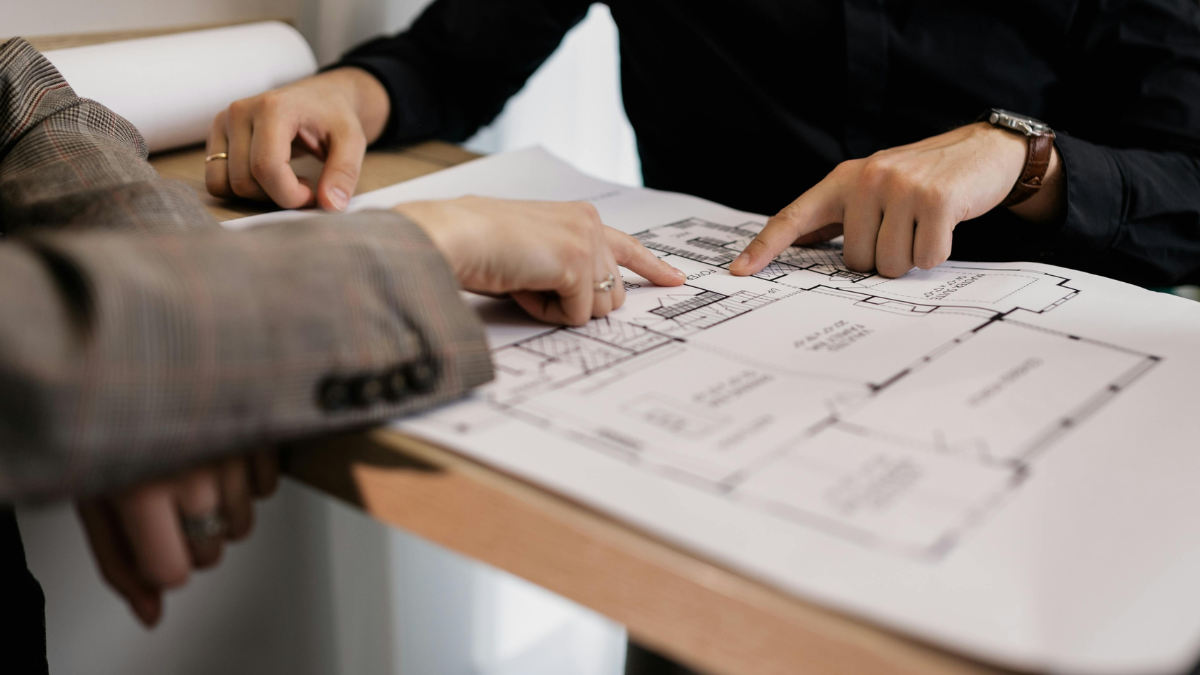
There is a close relationship between school facilities—their design, capital planning, management, and maintenance—and the successful implementation of physical security systems and processes.
Architectural security design elements and physical security systems are applied to school facilities; they are not stand-alone considerations. Today, they are simply a necessary and critical part of the infrastructure of modern school buildings. The elements of architectural security design and physical security systems need to be seamlessly integrated into schools. When done well, the way schools are designed, constructed, and operated can support both effective learning and a safe, secure environment.
The Educational Environment in School Security
Security is, by definition, the protection of assets. The first asset for consideration in a school must be the school community—all the people. The second asset for consideration needs to be the educational environment—the ability to effectively meet the educational mission. Protecting people is a well understood process. Protecting people while at the same time protecting the educational environment is a different matter altogether. Simply protecting the people in a school is insufficient. In developing school security by design, we must accomplish the protection of both.
From both a design and operational standpoint, school facilities and their security systems should be developed with a single goal: creating a safe, secure environment that supports effective teaching and learning. While security measures can sometimes feel inconvenient, those that are built into the design of a facility are more likely to be seen as part of normal operations rather than added burdens.
To the greatest extent possible, school security measures, systems, and processes should be inconspicuous and unobtrusive—ideally blending into the environment so they are barely noticeable to the school community. In many ways, the goal is an “invisible fortress.” The Disney theme park model offers a useful example: widely known as the happiest place on earth, it is also one of the most secure. While schools lack Disney’s budget, the underlying design and operational principles still apply.
The locks, doors, windows, fences, and other “hard” elements that support daily operations also have significant security implications. Communications systems, including a school’s public address, intercom, and telephone systems, play an integral role in both day-to-day and emergency operations. Additionally, modern building automation systems can and should include access control and video surveillance capabilities. Even a school’s HVAC system has security considerations.
Thirty years of research into effective educational environments by Dr. Robert Marzano and other researchers have cemented the understanding of the crucial need for a warm, open, and welcoming environment as an absolute requirement for effective learning and teaching. This IS the educational environment we are tasked to enhance, protect, and preserve.
The Human Element in School Security
Historically, most school security failures are, upon review, human failures—the result of the school community not effectively using available systems or following established procedures. While strong design and appropriate security systems can never replace the human element, they can significantly enhance it.
Integrated security features and systems that address the school’s identified threat and vulnerability profile and are designed for ease of implementation and use is the goal. Such systems stand a much better chance of being culturally accepted and utilized by everyone in school community with a higher level of fidelity. This will significantly lower the number of incidents of human failures.
There is a growing available body of guidance in effective school physical security. The recently released ANSI approved A.S.I.S. International School Security Standard and the recently updated P.A.S.S. K12 Guidelines Version 7 both provide excellent information on school physical systems and practices. In both cases, there is a strong emphasis on assessing each individual school to ensure security measures are appropriately aligned with its specific risks, threats, vulnerabilities, and educational needs.
Master Planning and School Security
Given today’s threat environment and increasing parental expectations, it is well past time to integrate effective, appropriate physical security measures that address identified risks and vulnerabilities. These measures should be a core requirement in new construction, major renovations, and retrofits of existing school facilities.
The key is ensuring these efforts are tailored to each school—balancing both the educational mission and security needs, while accounting for the unique setting, population, and threat profile of the environment.
School facilities’ strategic master and capital improvement planning efforts have traditionally focused on student capacity, instructional space, educational adequacy, parking, and aesthetics. Physical security, when included, is often treated as a separate consideration.
In reality, security should be part of how educational adequacy is defined. How can an educational environment be considered adequate if it is not both warm and dry and also both safe and secure?
Implementation of modern physical security systems like access control and video surveillance lend themselves well to inclusion to the school design process for new construction and major renovation, as do inclusion of architectural design elements like single point entry and secure visitor entrances. Currently, most new construction and major renovation projects in schools include these elements with varying degrees of effectiveness.
Retrofitting security systems in existing facilities—especially without major renovations—can be more challenging. Electrical and data infrastructure often need upgrades, and some level of remodeling may be required to support effective access control and visitor management. Given the associated costs, these projects should be incorporated into the strategic master and capital improvement planning process.
If school security is accepted as an element of the master planning process, the next question is what that should look like in practice. Effective master planning and capital improvement efforts typically follow an “assess before you treat” approach. A facilities condition assessment (FCA) is usually the first step, providing a clear understanding of the condition of a building’s major systems and forming the foundation for informed planning decisions.
If the age, condition, and lifecycle information of the roof, plumbing, electrical, and HVAC are critical for the development of facilities master planning and capital projects, then the same information is equally important for all physical security systems. Inclusion of a physical security assessment as a part of your FCA should be a requirement. This will provide the information needed for integration of physical security to the capitol planning process.
Inclusion of the architectural design elements and security systems of schools to meet current security expectations will have an impact on construction costs. However, it will be less impactful and far more cost effective to include at the design/construction stage. This will require inclusion into the master planning process.
Retrofitting physical security systems in existing facilities also requires deliberate capital planning. Competing priorities and limited resources often prevent districts from realizing the full benefits of security by design, as well as the cost efficiencies that come with intentionally integrating security into the master planning process.
The Benefits of Integration
From an integration standpoint, school security is too often treated as a separate function—that other “thing” run by those “other people” and addressed through bolt-on, add-later solutions. t’s time for experienced school security practitioners, with a strong understanding of how to align security with the educational environment, to play a central role in facilities planning and capital improvement efforts.
Bringing security into these processes early supports a shift from security by default to security by design—and helps avoid the kind of ineffective “security theater” that can result from poor planning.
When the right stakeholders are involved and the right questions are asked during the master planning and capital improvement process, the benefits of integration are threefold. First, schools become safer and more secure by design. Second, they foster environments that support effective teaching and successful learning. Finally, they make more efficient use of limited funding—often taxpayer dollars—by aligning security investments with broader facility planning goals.
This article was contributed by Guy Bliesner, School Safety & Security Analyst for the Idaho State Board of Education Office of School Safety and Security.
Note: The views expressed by guest contributors are those of the authors and do not necessarily represent the views of, and should not be attributed to, School Security Leadership.